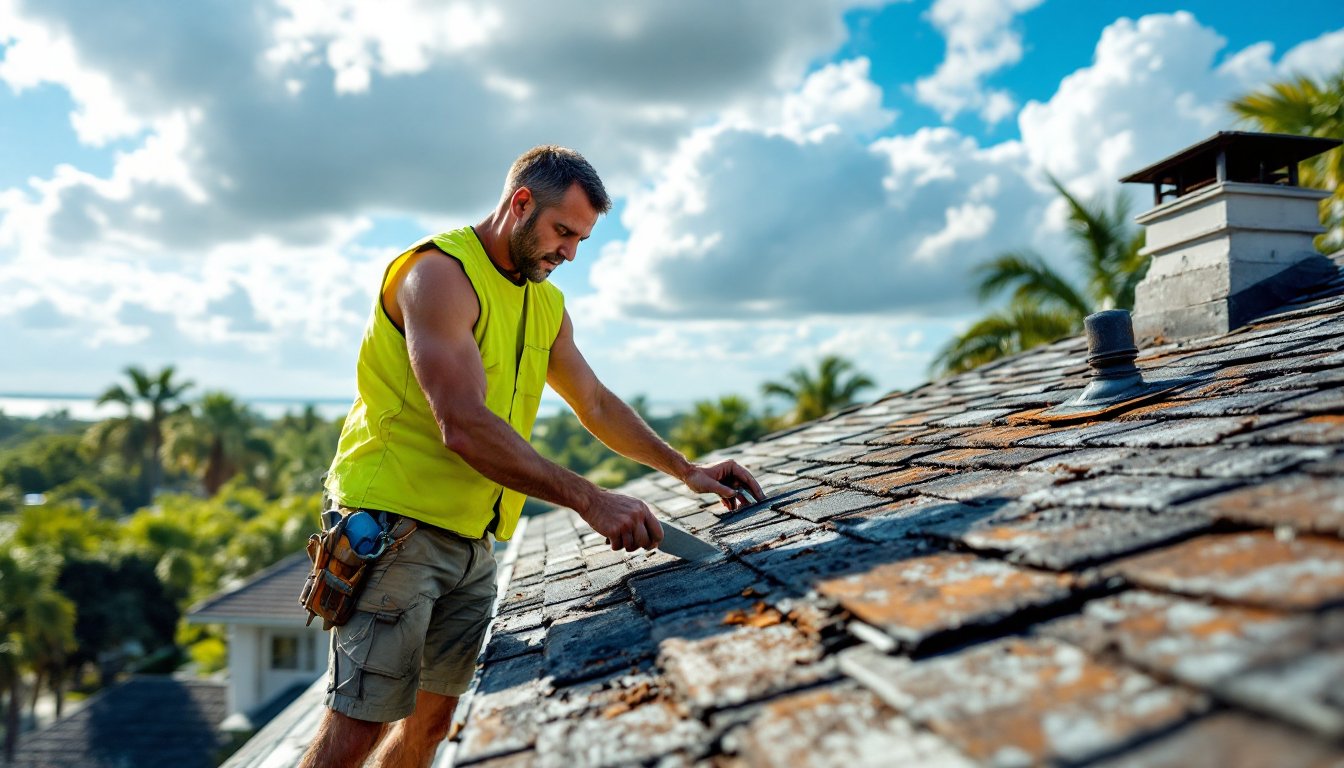
A damaged tile roof doesn’t wait for your schedule, water finds every crack, and small problems become expensive ones fast. Whether you’re noticing a single missing tile, spotting water stains on your ceiling, or dealing with widespread weathering, knowing when to repair versus replace is crucial. This guide walks you through recognizing tile roof damage, finding trustworthy repair professionals in your area, and understanding what happens when the pros show up to fix the problem.
Table of Contents
ToggleKey Takeaways
- Tile roof repair near me should be treated urgently because water penetrates quickly through cracks and spreads damage to framing and insulation before interior signs appear.
- Visible cracks, missing tiles, water stains, and mold in the attic are clear signals that your tile roof needs professional repair rather than DIY intervention.
- Find trustworthy tile roof repair services by getting estimates from at least three licensed, insured, and bonded contractors; verify credentials and check online reviews before choosing.
- Reputable tile roof repair contractors conduct thorough inspections, use proper safety equipment like scaffolding or harnesses, and provide written workmanship warranties.
- The cost of prompt tile roof repair is significantly lower than replacing rotted framing or addressing structural damage from long-term leaks.
Why Tile Roofs Require Prompt Attention
Tile roofs are durable, often lasting 50+ years, but they’re not bulletproof. When a single tile cracks or a section of underlayment deteriorates, water penetrates behind the tile layer, wicking into the deck and framing. This isn’t visible from inside the attic for weeks or months, so by the time you notice a water stain on your ceiling, the damage underneath may already be significant.
Untreated leaks lead to rot in rafters and joists, which compromises structural integrity and invites mold growth. Replacing rotted framing costs exponentially more than patching a few tiles. The urgency depends on the repair location and severity, but ignoring even minor damage accelerates deterioration. A leaking roof is one of those projects where procrastination directly translates to dollars.
Signs Your Tile Roof Needs Professional Repair
Visible Cracks And Breaks
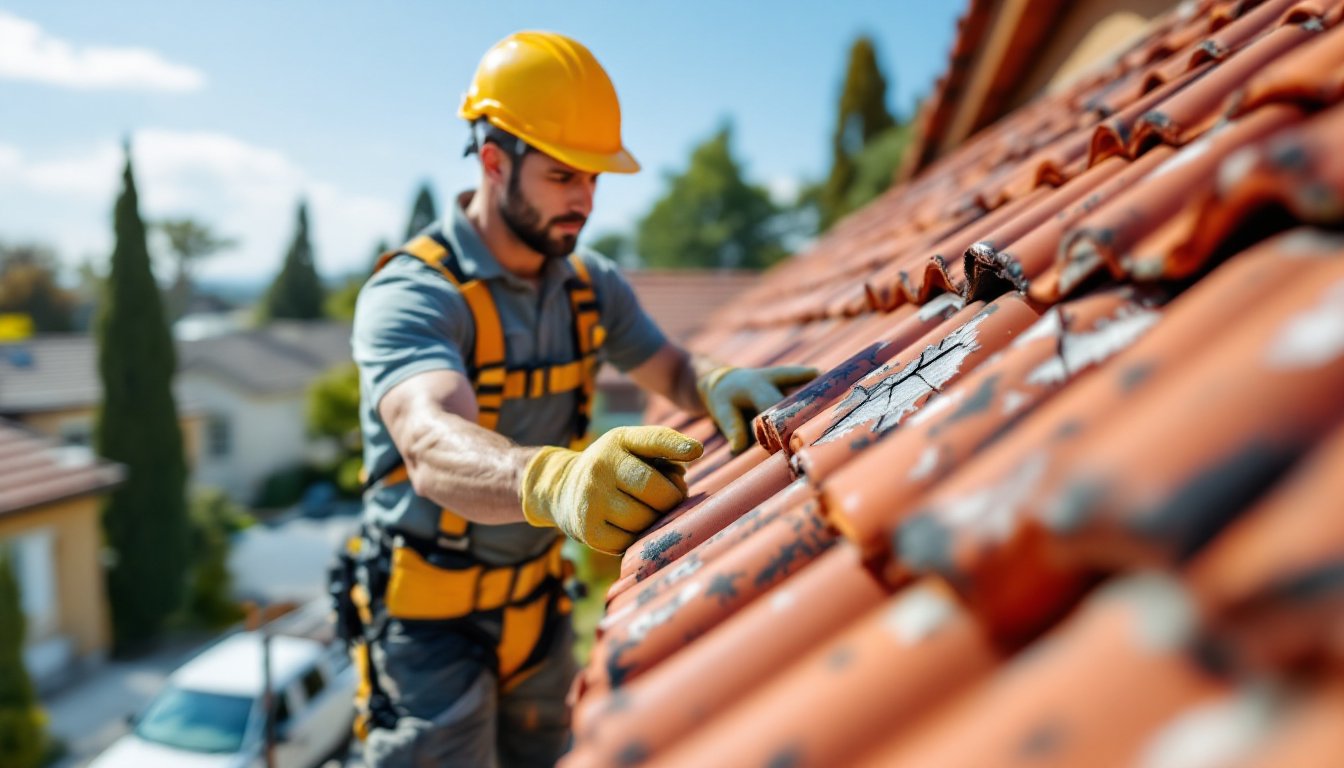
Inspect your roof from the ground with binoculars or step onto a stable ladder (never walk on tile, you’ll crack more tiles). Look for obvious fractures, missing tiles, or tiles shifted out of alignment. Concrete or clay tiles can crack from impact (fallen branches, hail) or simply age as the material becomes brittle. A single cracked tile isn’t a catastrophe if the underlayment is intact, but multiple cracks in one area signal deterioration spreading across the roof section.
Chipped edges and hairline cracks are also red flags, especially if they’re clustered. If you spot more than a handful of damaged tiles, the roof is likely near the end of its service life, and patching becomes a temporary fix rather than a solution.
Water Leaks And Interior Damage
Water stains on ceilings, damp insulation in the attic, or soft spots on interior walls indicate active leaks. Don’t assume the stain is directly below the source, water travels along framing and can emerge far from where it enters. Check your attic after heavy rain to spot moisture early. Black or greenish mold on roof sheathing means water has been present long enough for fungi to establish.
If you find soft or spongy wood when probing the underside of roof decking or framing with a screwdriver, that’s rot, a job for professionals with proper safety equipment and experience handling compromised structures. Don’t ignore it hoping it dries out.
How To Find Reliable Tile Roof Repair Services
Start by getting estimates from at least three licensed roofing contractors who specialize in tile. Don’t just call the first name in a Google search: credentials matter. Verify that contractors are insured (liability and workers’ compensation), licensed in your state, and bonded. Ask for their license number and check it with your state licensing board.
Online review platforms like Angi connect you with vetted local tile roof repair professionals who have customer ratings and detailed service histories. Services like HomeAdvisor offer cost estimators and contractor matching to help you compare pricing and scope. These platforms vet contractors, though you should still call references, ask previous customers about timeliness, cleanup, and whether the repair held up.
When comparing estimates, don’t just chase the lowest price. A suspiciously cheap bid often means corners are being cut on underlayment replacement, flashing, or scaffolding. Ask what’s included: will they replace damaged underlayment? Are they using matching tile or a close substitute? Who’s responsible if a repair leaks within one year? A reputable contractor offers a workmanship warranty and can explain their process clearly.
Local roofers who’ve been in business 10+ years are a safer bet than franchises. They know regional climate challenges, local building codes, and have established relationships with tile suppliers.
What To Expect During A Professional Repair
A competent contractor starts with a full roof inspection, not just the damaged area. They’ll photograph the damage, check underlayment condition, inspect flashing around chimneys and vents, and look for signs of past leaks. This thorough assessment takes 30–60 minutes and is essential for accurate pricing.
For minor repairs, the contractor will remove damaged tiles carefully (often using a flat pry bar to lift clips underneath), inspect and replace underlayment if it’s compromised, and reinstall tiles with new fasteners. Tile work requires scaffolding or safety harnesses, anyone saying they’ll work on a tile roof without fall protection is cutting safety corners.
ImproveNet provides home renovation guides and contractor resources that break down typical repair workflows. For larger sections, crews may remove and re-lay multiple tiles, re-slope damaged deck areas, and replace flashing. This is dusty, noisy work that typically takes 1–3 days depending on scope.
During the repair, ask the crew to show you removed tiles and damaged underlayment, you want to see what justified the work. Reputable contractors will explain each step and answer questions without rushing. Once repairs are complete, run water from a hose on the repaired section (with the contractor present) to confirm the repair sheds water properly. Get a written warranty, typically one year on workmanship, sometimes longer on materials.
Conclusion
Tile roof damage isn’t a DIY repair unless you’re only replacing one or two tiles with experience under your belt. Most repairs require working at heights, understanding flashing details, and knowing when underlayment is compromised, all jobs for licensed professionals. Catch problems early by inspecting your roof annually and after storms. When you call for repairs, get multiple estimates, verify credentials, and choose a contractor who explains the work thoroughly. Your roof is your home’s first defense against weather, keeping it in shape protects everything underneath.