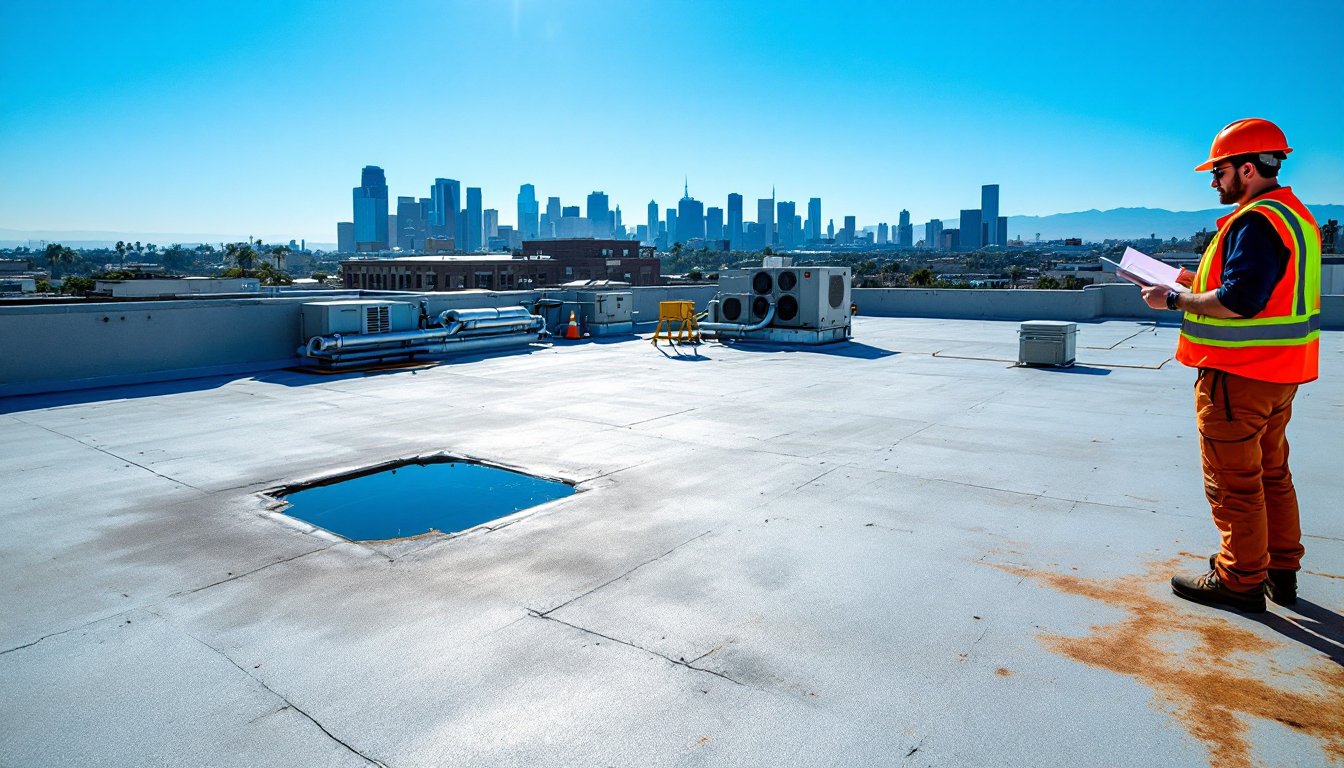
Florida’s subtropical climate is brutal on roofs. In Tampa, you’re dealing with intense sun, salt spray, heavy rain, high humidity, and the occasional hurricane, all of which work together to age roofing materials faster than in most other regions. A roof that’d last 25 years in a milder climate might only make it 15 years here. The constant exposure means Tampa homeowners can’t ignore minor issues: a small leak or a few missing shingles today becomes a water-damaged attic, mold, and a five-figure repair bill tomorrow. This guide walks you through recognizing roof problems early, understanding what you can tackle yourself, and knowing when to call in a pro.
Table of Contents
ToggleKey Takeaways
- Tampa’s subtropical climate—intense UV, salt spray, humidity, and thermal cycling—accelerates roof deterioration, reducing shingle lifespan from 25 years to just 15 years compared to milder regions.
- Early detection and prompt repair of Tampa roof issues like curling shingles, cracked flashing, and water stains prevent costly structural damage and mold remediation that can exceed $10,000.
- Tampa roof repair is often DIY-viable for isolated problems (one to two damaged shingles, minor flashing leaks) if you’re comfortable at heights and have proper safety equipment, but widespread damage or structural concerns require a licensed contractor.
- Regular inspections twice yearly, prompt gutter cleaning, and immediate attention to small issues are the most cost-effective maintenance habits for protecting your Tampa roof long-term.
- Consider hiring a professional if your roof pitch exceeds 6:12, you suspect hidden leaks, or your roof is 15–20 years old and showing widespread granule loss—full replacement may be more economical than ongoing repairs.
Why Tampa’s Climate Makes Roof Repair Urgent
Tampa sits in a climate zone that’s uniquely punishing for roofing. The combination of extreme UV radiation, salt-laden air from the Gulf, high moisture, and thermal cycling, where temps swing dramatically between day and night, breaks down asphalt shingles and tar faster than normal weathering. Shingles lose their granules (the protective coating), become brittle, and start curling within 10–15 years instead of the advertised 20–25.
The humidity also feeds mold and algae growth on roof surfaces, which isn’t just a cosmetic issue, it traps moisture and accelerates decay. Hurricane-force winds and heavy downpours mean your roof takes direct hits. Storm surge and salt spray corrode metal flashing, gutters, and fasteners. Add in the fact that many Tampa homes sit on sandy or shifting soil, and roof movement from settling can open gaps in the underlayment and shingles.
Waiting to repair roof damage in Tampa isn’t like waiting in Denver. A leak that develops in July spreads fast in the heat and humidity. By October, you might have structural damage to the decking or mold in the attic that’ll cost thousands to remediate. Early repairs, even small patches, are genuinely cost-effective here.
Signs Your Tampa Roof Needs Repair Now
Shingle Damage and Deterioration
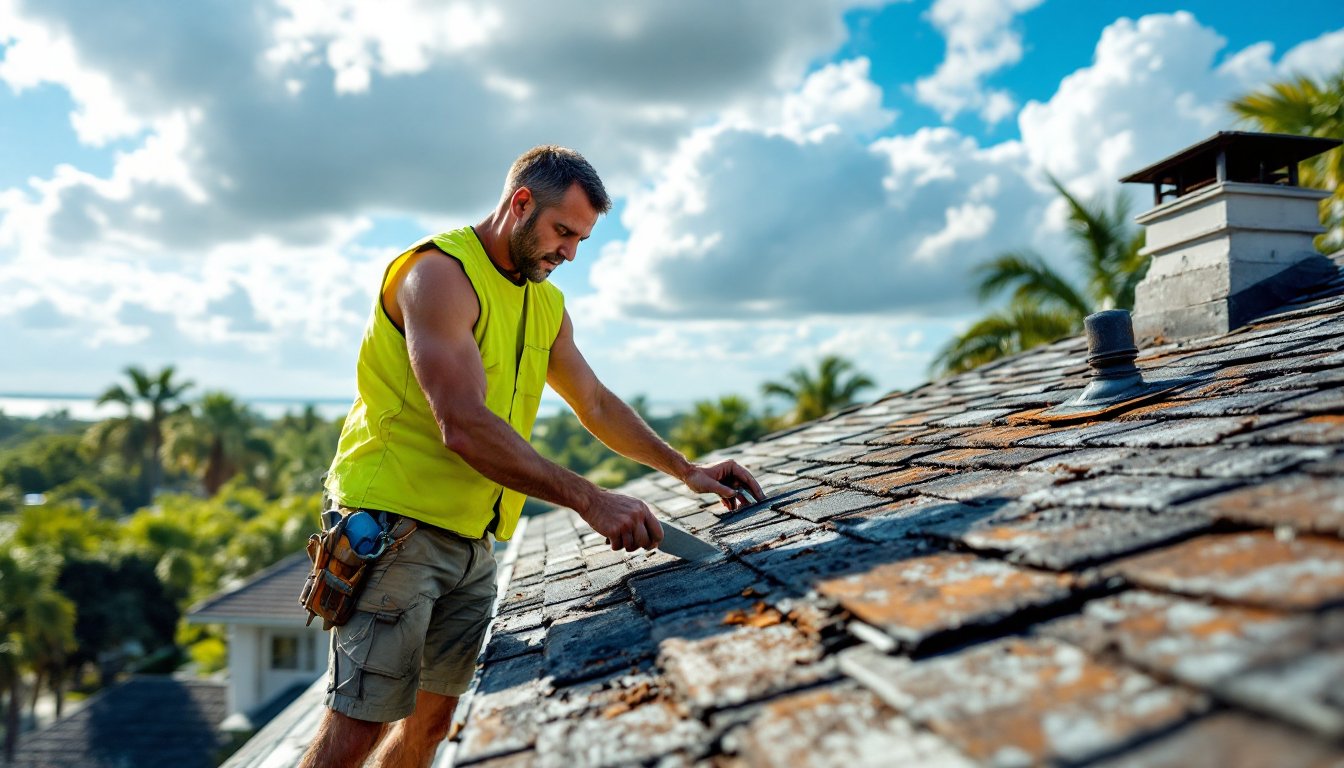
Visual inspection from the ground with binoculars is your first step. Look for shingles that are curling at the edges, lifted, cracked, or visibly bald (missing granules). Cupping, where the edges of a shingle curl upward, happens fast in Florida due to moisture cycling and sun exposure. Missing shingles are obvious, but even one missing shingle exposes the underlayment and decking to rain and UV damage within days.
Check the flashing around vents, chimneys, and roof penetrations. If the sealant is cracked, dried out, or pulling away, water will find its way in. Rusted or heavily corroded metal flashing is a red flag, replacement is likely needed. On the ground, look for shingle granules in the gutters and downspouts (some granule loss is normal aging: excessive loss means replacement is coming soon).
Leaks and Water Damage
Inside the house, water stains on ceilings or walls are the clearest signal. A small yellow or brown spot doesn’t always mean the leak is directly overhead, water travels along rafters and can emerge far from the entry point. Check your attic during or shortly after heavy rain with a flashlight. Look for visible moisture, wet spots on decking, or active drips. Damp wood, mold growth, and musty smells all point to ongoing water intrusion.
If you notice peeling paint on soffits or fascia, or dark streaking on the roof from a distance, moisture and microbial growth are present. Even if there’s no obvious interior leak yet, these signs mean your roof’s defenses are failing and failure is coming soon.
Common Tampa Roof Problems and Quick Fixes
Curling or Lifted Shingles: If the curl is minor and only a few shingles are affected, you might get a temporary reprieve by applying roofing cement under the shingle edge and nailing or fastening it flat. This buys time but isn’t a permanent fix, the shingle will eventually need replacement. In Tampa’s heat, even this band-aid tends to fail within 1–2 seasons.
Small Leaks Around Vents or Flashing: If the sealant is cracked but the flashing itself is intact, scrape away old, dried sealant with a putty knife. Clean the area with a wire brush, let it dry completely, and reapply roofing sealant or roof cement (products like Henry Blueskin or Dicor are standard). Work the sealant smoothly around the flashing edges. This is a 30-minute job and worth doing as soon as you spot the issue.
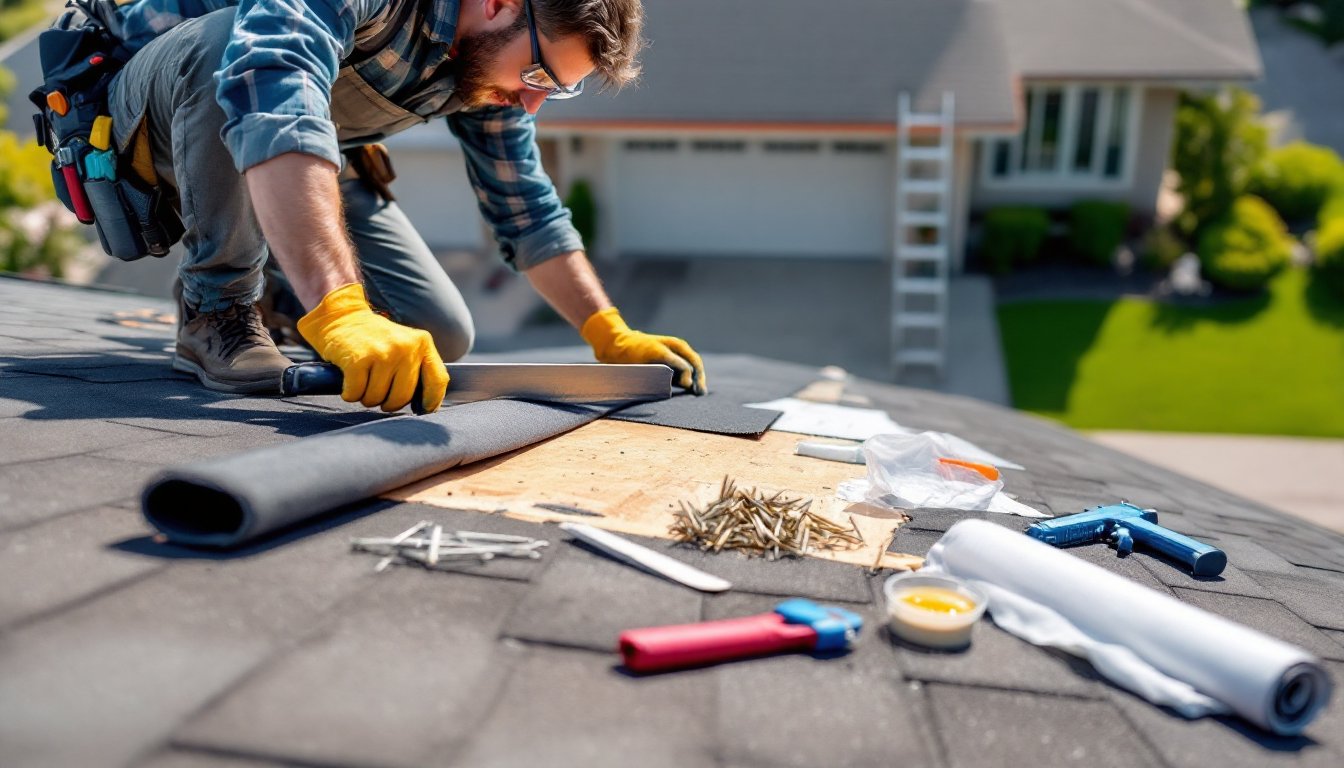
Missing or Damaged Shingles: Replacing a single shingle requires lifting the nails on the shingle above it (carefully, with a flat pry bar), removing the damaged shingle’s nails, and sliding in a new one. Nail it down with galvanized roofing nails (3/4 inch, typically), then re-nail the shingle above. This works fine if you have one or two damaged shingles: if you’re dealing with a section, it’s often better to do a larger patch or call a pro.
For all of these, safety comes first: use a stable roof ladder or stabilizer bar if working on a pitch steeper than 6:12 (a 6-inch rise per 12 inches of run). Wear non-slip shoes, safety glasses, and a harness if you’re not 100% confident. Roofing work on a sloped roof in the Florida heat is genuinely risky. If your roof pitch is steep or you’re uncomfortable on heights, stop and hire a licensed contractor, a fall isn’t worth saving a few hundred dollars.
When to Call a Professional vs. DIY Repairs
Call a Pro If:
- You have more than 2–3 damaged shingles or widespread damage over a large area. This suggests the roof’s underlying problems are bigger than spot fixes.
- Your roof pitch is steeper than 6:12 or you’re uncomfortable working at heights. A slip on a metal roof in Florida humidity is serious.
- You see signs of rot in the decking, soft wood, or mold in the attic. Structural damage requires professional assessment and repair to prevent further failure.
- You’re dealing with a roof leak you can’t visually trace. Professional roofers use moisture meters and sometimes thermal imaging to locate the actual entry point.
- Your roof is near the end of its expected lifespan (15–20 years in Tampa) or has widespread granule loss. A full replacement may be more cost-effective than ongoing repairs.
- You suspect damage from a storm or wind event. Insurance claims often require a licensed contractor’s assessment and estimate anyway.
DIY is Reasonable If:
- You’re addressing clear, isolated problems: one or two curled/lifted shingles, a cracked vent seal, or minor flashing damage.
- You’re comfortable working at heights and have a stable, safe setup.
- You have the right tools (ladder, pry bar, hammer or drill, utility knife) and proper footwear and safety gear.
According to roof repair cost data for Tampa, minor repairs might cost $200–$400 if done yourself but $500–$1,200 when hiring a contractor. That gap tempts DIY attempts, but it only makes sense if the problem is truly simple. A botched repair that lets water into the attic will cost you $3,000–$10,000+ in mold remediation and structural repairs. Know your limits.
When you do hire help, get estimates from at least two licensed, insured contractors. Check references and verify they’re familiar with Florida building codes and wind-resistant roofing standards. A legitimate contractor will pull permits for any structural repair or replacement and won’t push you toward work you don’t actually need.
Protecting Your Roof Year-Round in Tampa
Regular Inspections: Check your roof twice a year (spring and fall) and within a few days of any major storm. Walk the perimeter from the ground with binoculars, and get into the attic to look for moisture or light leaks. A small issue caught early is nearly always cheaper to fix than one that’s had months to cause damage.
Keep Gutters Clear: Clogged gutters trap water against the roof edge and soffit, promoting rot and ice dam formation (less common in Tampa, but possible during rare cold snaps). Clean gutters after heavy leaf drop and after storms. In Tampa, you’ll want to check more often due to humidity, salt, and algae growth.
Trim Overhanging Branches: Large branches hanging over your roof will drop debris, shade the roof (trapping moisture and promoting algae), and can damage shingles in wind. Trim them back 10 feet or more. This also reduces debris in gutters and reduces wildlife access to your roof.
Address Small Issues Immediately: A cracked sealant or lifted shingle seems minor, but Florida’s climate escalates it fast. Spend an hour and $20 in materials on a quick fix rather than waiting until it becomes a structural problem. This is the single most cost-effective maintenance habit.
Consider a Roof Coating or Reflective Treatment: In Tampa’s intense heat, a reflective coating or algae-resistant treatment can extend the life of aging asphalt shingles by 3–5 years and reduce cooling costs. It’s not a replacement for actual repairs, but it’s a reasonable preventive investment for a roof that’s 10+ years old and not yet ready for full replacement.
For detailed guidance on repair planning and cost estimation, HomeAdvisor’s tools and contractor matching can help you understand your options before you call. And if you’re planning a full roof replacement or major renovation, expert DIY guidance from trusted sources often outlines the decision-making process clearly.