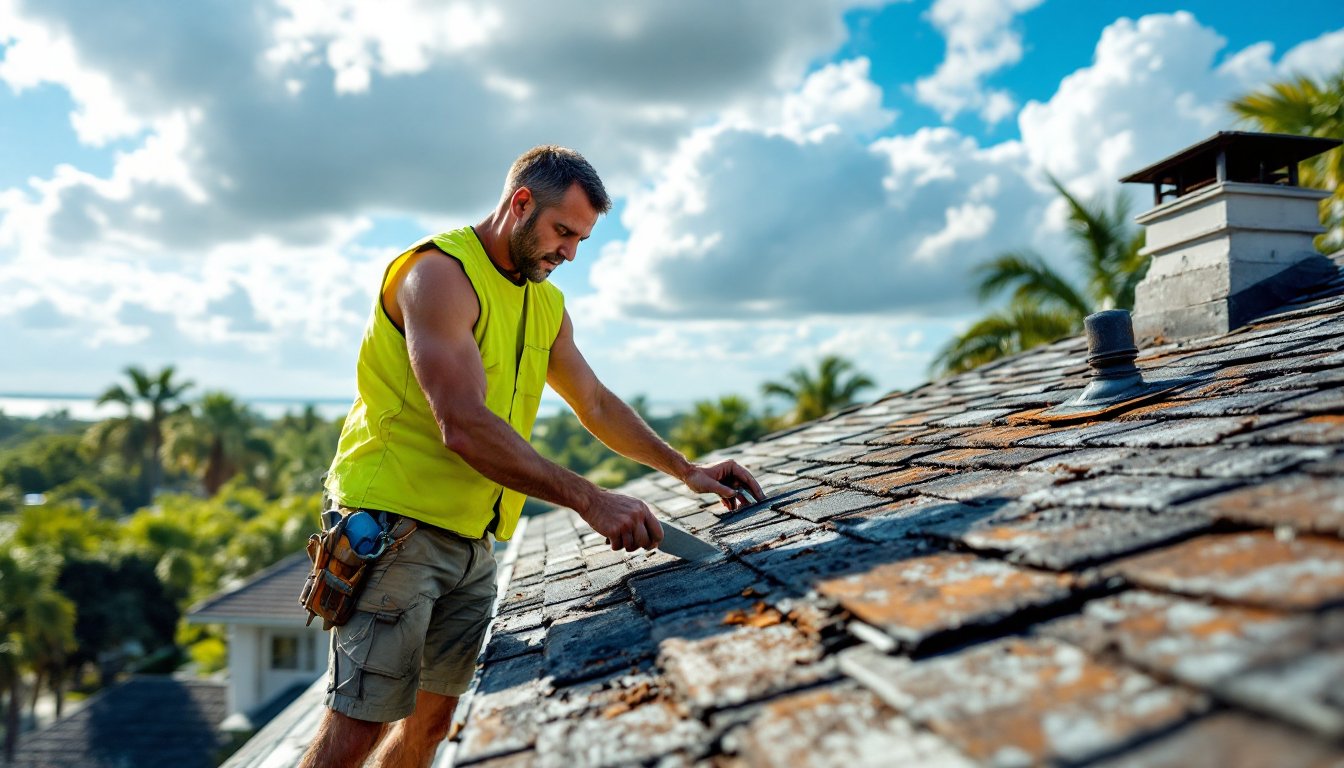
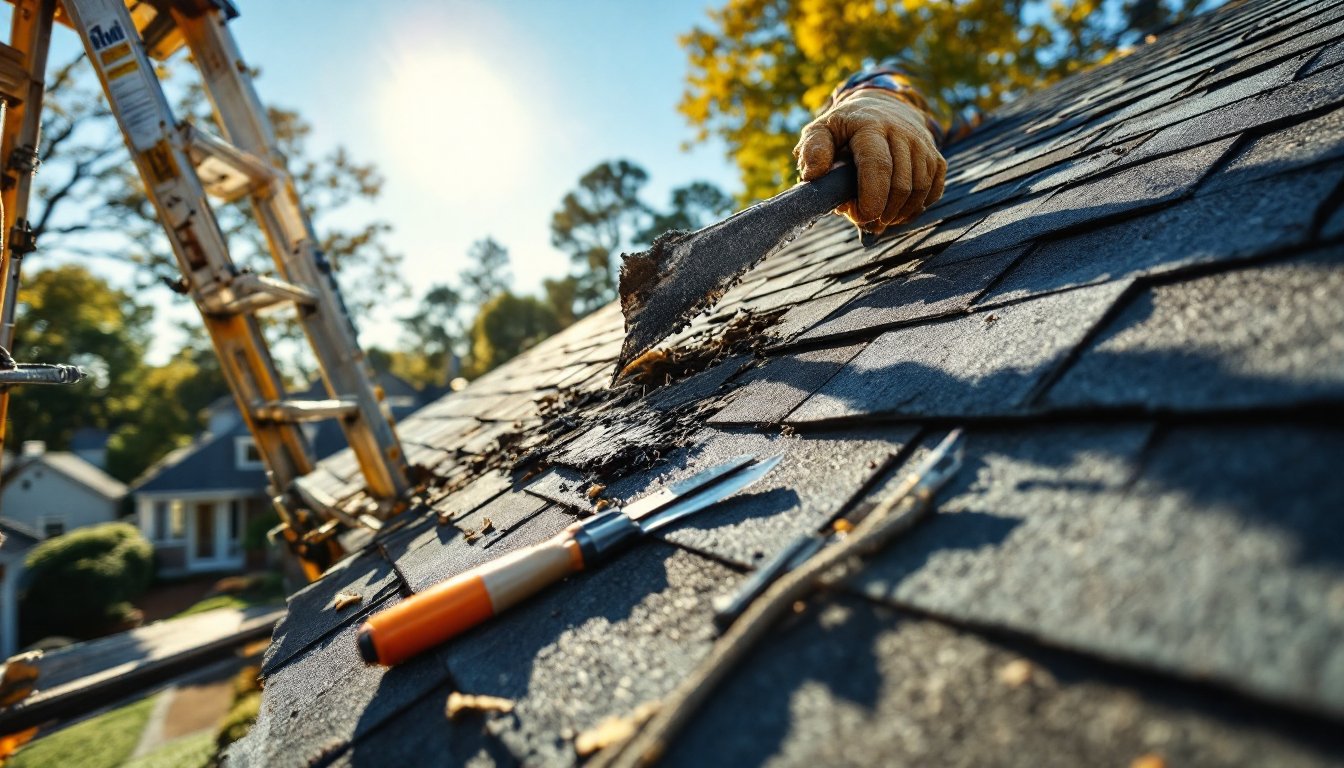
A damaged roof doesn’t mean you’re facing a complete teardown, and it certainly doesn’t mean calling in a contractor for every missing shingle or small leak. Many homeowners can tackle roof repairs themselves with the right knowledge, tools, and a healthy respect for safety. Whether you’re dealing with a few damaged shingles, a slow leak around a flashing, or holes from weather damage, learning how to repair a damaged roof can save you thousands in unnecessary professional fees. This guide walks you through assessing the problem, gathering the right materials, and executing repairs that’ll keep your home dry and protected for years to come.
Table of Contents
ToggleKey Takeaways
- Learning how to repair a damaged roof saves thousands in contractor fees by handling missing shingles, small leaks, and weather damage yourself with proper knowledge and safety precautions.
- Inspect your roof thoroughly from inside (checking for water stains and mold) and outside (looking for missing shingles, flashing damage, and exposed nails) to determine whether a repair is a DIY job or requires professional help.
- Gather essential materials like roofing cement, replacement shingles, galvanized nails, flashing repair kits, and proper tools such as a pry bar and caulking gun before starting any roof repair project.
- Apply roofing cement and patches to seal holes and leaks, but understand that these are temporary fixes—widespread damage or roofs near the end of their lifespan warrant professional replacement rather than repeated patching.
- Replace damaged shingles by carefully removing nails, sliding out the old shingle, securing the new one with four galvanized nails, and sealing all edges and nail heads with polyurethane caulk or roofing sealant for complete weatherproofing.
- Never work on a steep roof without proper safety equipment like a harness, and if you’re uncomfortable at height or damage is extensive (over 25–30% of the roof), hiring a professional roofer is the safer and more economical choice.
Assess The Damage
Before you grab a ladder, you need to know exactly what you’re dealing with. A thorough inspection tells you whether a repair is a straightforward DIY job or something that requires a professional roofer or permit.
Start inside your home on the top floor. Look for water stains on the ceiling, damp insulation, or mold growth in the attic, these point to active leaks and help you pinpoint the problem area. If the stain looks old and dry, you’ve caught a past issue: if it’s fresh or damp, water is actively coming in.
Next, carefully inspect the exterior. Get on your roof only in dry conditions and with proper safety gear. Look for missing or curling shingles, exposed nails, dents in flashing (the metal trim around chimneys and vents), separation along seams, or visible patches of bare decking. Roof damage often clusters around penetrations, places where pipes, vents, or chimneys break through the surface, so pay close attention there.
Note the age of your roof and the type of shingles. Asphalt shingles typically last 15–25 years: if yours are older, isolated repairs may be temporary fixes before a full replacement becomes necessary. Standard three-tab or architectural shingles are easier for DIYers to replace than premium or specialty materials.
Safety Considerations When Inspecting Your Roof
Never climb onto a roof without taking precautions. Use a sturdy ladder positioned on level ground, and have someone hold it at the base. Wear non-slip shoes with good grip and avoid inspecting during rain, frost, or strong wind, wet shingles are slippery and dangerous.
If your roof is steep (over a 6:12 pitch, meaning 6 inches of rise per 12 inches of horizontal run), consider using a roof harness and anchor point or calling a professional. A fall from even a single story can cause serious injury. Wear safety glasses to protect from debris and gloves to prevent cuts from roofing materials and flashing edges. If you’re uncomfortable working at height, that’s a legitimate reason to hire help, there’s no shame in that.
Gather Your Tools and Materials
Having the right supplies on hand prevents frustrating mid-project stops. Here’s what you’ll need for most minor to moderate roof repairs.
Materials:
- Roofing cement (asphalt-based, 5-gallon buckets are standard)
- Roofing patches or adhesive-backed repair tape (for quick patching)
- Replacement shingles matching your existing roof (bring a sample to the supplier to ensure an exact match)
- Galvanized roofing nails (1.25 inches, typically 11-gauge)
- Roofing flashing repair kit or replacement flashing (for leak points around penetrations)
- Underlayment or felt paper (if replacing shingles and exposing decking)
- Caulk or sealant for flashing seams (polyurethane or silicone, not latex)
Tools:
- Hammer or pneumatic roofing nailer (a nailer is faster and more precise)
- Pry bar (to remove old shingles without tearing the underlayer)
- Utility knife (for cutting and scraping)
- Caulking gun (for sealants and roofing cement tubes)
- Measuring tape and chalk line (for alignment)
- Work gloves and safety glasses
- Ladder (extension or roof ladder, depending on your roof slope)
- Roofing shovel or flat spade (for removing old shingles in bulk)
Before you start, check your local building codes. Some jurisdictions require permits for roof work: others have restrictions on certain repair materials. Verify what applies in your area.
Fix Leaks and Patch Holes
Small leaks and holes are among the easiest roof repairs a homeowner can handle. The key is finding the exact point of water entry and sealing it completely.
From inside your attic, poke a small wire through the hole to mark its location from outside. Once you’ve spotted it from above, you can work on it cleanly. For holes smaller than 1 inch, you can use a roofing patch adhesive or self-sticking repair tape. Clean the area around the hole thoroughly, remove any loose debris, algae, or old sealant with a stiff brush. Dry the surface completely with a cloth: water prevents adhesion.
For holes in the 1–3 inch range, a rubberized roofing patch works best. Cut the patch to extend at least 2 inches beyond the hole on all sides. Remove the backing and press it firmly into place, smoothing out air bubbles with a roller or the flat of your hand.
Leaks around penetrations (chimneys, vents, skylights) are trickier. These spots rely on flashing, metal or rubber trim that directs water away. Check if the flashing is bent, has separation at seams, or is pulling away from the roof surface. Small gaps can be sealed with polyurethane caulk: larger issues often require replacing the flashing altogether.
Using Roofing Cement and Patches
Roofing cement is the workhorse of minor repairs. It’s thick, sticky, and bonds well to damp surfaces, though you’ll get better results on a dry day.
Use a putty knife to apply roofing cement around the damaged area. Press any loose shingle edges, nails, or damaged sections firmly into the cement. If nails are popping (lifting), reset them and cover the head with a dab of roofing cement. For added durability on patches larger than 4 inches, lay a roofing patch over the cement and smooth it down, then seal the edges with another bead of cement.
Roofing cement sets and hardens over a few days. Avoid walking on repaired areas until fully cured. One key point: roofing cement and patches are temporary fixes. They extend the life of an aging roof by a few years, but they’re not permanent solutions. If you’re dealing with widespread damage, multiple leaks, or a roof nearing the end of its lifespan, budgeting for replacement is wiser than patching repeatedly. The costs of roof repairs and full replacements vary significantly by region and material, so research what local roofers charge in your area before deciding on a patchwork approach.
Replace Damaged Shingles
Replacing shingles is more involved than patching but well within a confident DIYer’s reach. The trickiest part is often finding matching shingles, styles and colors change year to year, so bring a sample to your supplier.
Start by loosening the shingles above the damaged one. Shingles are sealed with dots of adhesive or roofing cement along their lower edge and nailed near the top. Carefully lift the tab of the shingle above, and you’ll expose the nails. Remove them with a pry bar, working gently to avoid tearing the adjacent shingle.
Now slide out the damaged shingle and dispose of it. Clean away old roofing cement and any debris from the exposed area. If the underlayment or felt paper is torn, patch it with a piece of matching material and roofing cement.
Slide the new shingle into place, it should align perfectly with its neighbors and rest on the roof without wrinkles. Drive four galvanized roofing nails (1.25 inches long) through the nail slots, positioning them just below the adhesive strip. Don’t over-drive nails: they should sit flush with the shingle, not so tight they dimple it.
Apply a small dab of roofing cement under the tab of the shingle above to reseal it. Also, seal the new shingle’s tab and any exposed nails with roofing cement. This is critical for weatherproofing. Let everything cure for at least 24 hours before exposing it to rain.
For multiple damaged shingles, repeat the process row by row, working from bottom to top. If damage is extensive (more than 25–30% of the roof), professional replacement is usually more economical than piecemeal DIY work. Recent home improvement cost guides outline what different repair scenarios typically cost, helping you decide whether to DIY or hire out.
Seal and Weatherproof Your Repairs
A repair is only as good as its seal. Weatherproofing is what keeps water out over time, so don’t skip this step.
After completing any patch or shingle replacement, inspect all edges and nail heads. Any exposed metal or gaps invite water infiltration. Use polyurethane caulk or roofing sealant (silicone is also acceptable, though polyurethane tends to hold up longer) to seal around the perimeter of the repair, along seam lines, and over any nail heads.
For flashing repairs, pay special attention to the seams where two pieces meet. Old caulk hardens and cracks, if you see cracked sealant, scrape it out with a utility knife and re-caulk. Use a caulking gun for clean, controlled application.
Check the surrounding area for other potential leak points. While you’re up there, verify that gutters aren’t clogged, which can cause water to back up and seep under shingles. Clear debris from valleys (the diagonal seams where two roof slopes meet) as well.
If your repair involved replacing flashing or underlayment, make sure the new material extends far enough to direct water down and away from seams. Flashing should overlap the shingles below it by at least 2 inches.
One final note: roof repairs are most successful when you address the underlying cause. A missing shingle might be due to wind damage, but it could also signal that fasteners are failing throughout the roof. A leak near a chimney could indicate deteriorated flashing, but it might also mean the chimney itself is settling. Take time to understand why the damage occurred. If damage keeps happening in the same spot, or if you keep finding new problems after repairs, it’s worth consulting a professional to rule out structural issues. Seasonal maintenance and regular inspections catch problems before they become expensive. Resources like Today’s Homeowner and Family Handyman offer comprehensive seasonal checklists that help homeowners stay ahead of roof and weather damage.