
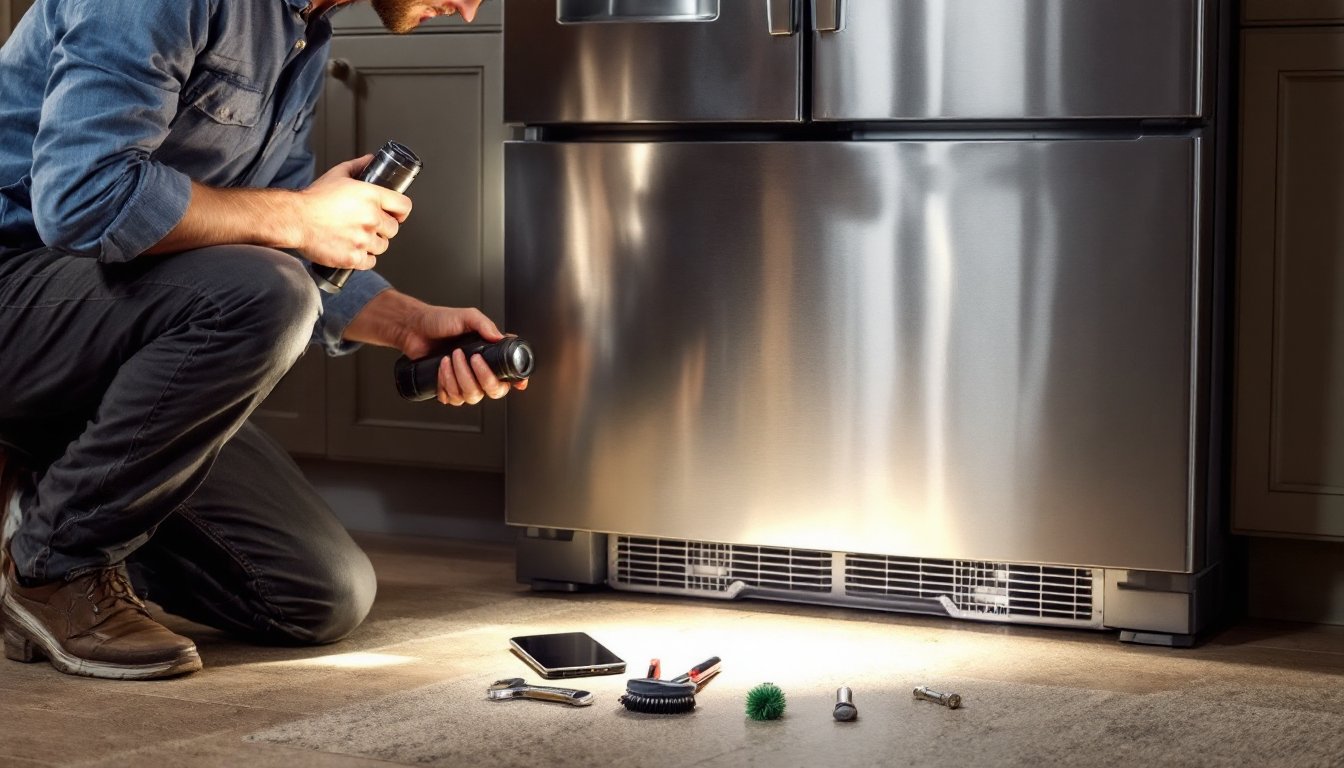
Jenn-Air refrigerators are built for performance and longevity, but like any appliance, they occasionally need troubleshooting. Before scheduling an expensive service call, you might be able to diagnose and fix the issue yourself. This guide walks you through the most common Jenn Air refrigerator problems, poor cooling, water leaks, ice maker failures, and more, with practical solutions for homeowners willing to roll up their sleeves. Some repairs are simple enough for a confident DIYer: others need professional help. We’ll show you the difference, so you know when to proceed and when to call in a technician.
Table of Contents
ToggleKey Takeaways
- Jenn Air refrigerator repair often starts with simple diagnosis steps like checking the thermostat dial, cleaning condenser coils, and inspecting drain holes before calling a technician.
- Common cooling problems can be resolved by vacuuming evaporator coils, clearing blocked drains, and checking water inlet hoses for kinks or cracks.
- Ice maker failures frequently stem from low water supply, misaligned fill cups, or jammed ejector arms—all fixable issues if caught early.
- Replacing a compressor fan typically takes 20–30 minutes and is manageable for confident DIYers who follow proper safety steps and verify part numbers.
- Regular monthly maintenance—vacuuming condenser coils, wiping door seals, and flushing drain holes—prevents most Jenn Air refrigerator problems and extends appliance lifespan.
- Major repairs like compressor replacement, refrigerant leaks, and control board issues require licensed technicians to protect your warranty and ensure safe, code-compliant work.
Diagnose Issues Before You Call a Technician
The first step in any refrigerator repair is figuring out what’s actually wrong. A methodical diagnosis saves time and money, and often points to a simple fix you can handle yourself.
Refrigerator Not Cooling Properly
If your Jenn-Air isn’t reaching the right temperature, start with the obvious: check the thermostat dial. It sounds simple, but pets, children, or accidental bumps can shift the setting. Set it to the middle position and wait 24 hours to see if temps normalize.
Next, inspect the evaporator coils, the cold surfaces inside the fridge where heat transfer happens. Dust and ice buildup block airflow, starving the compartment of cold air. If the coils are visibly frosted solid, you may have a defrost cycle issue. Some Jenn-Air models have a manual defrost button: consult your manual.
Check the condenser coils on the back or underneath the unit. These should be clean and unobstructed. A clogged condenser has to work harder and produces less cooling. Unplug the fridge, gently vacuum the coils with a soft brush attachment, and make sure nothing blocks the air vents.
The compressor, the motor that pumps refrigerant, often runs constantly or not at all when failing. Listen for normal startup sounds. If you hear nothing and temps are rising, the compressor or contactor may be dead.
Water Leaks and Drainage Problems
Water pooling under or inside your Jenn-Air usually points to one of two culprits: a blocked drain or a kinked fill line.
Locate the drain hole at the bottom rear of the fresh food compartment (usually small and easy to miss). Pour a cup of warm water down it. If water backs up instead of flowing out, debris, ice, food particles, or mineral deposits, is blocking the drain tube. Use a straightened coat hanger or plumbing snake to gently clear the blockage, then flush with warm water.
If the drain clears but water still pools, check the water inlet hose, the line running from your home’s water supply to the ice maker and water dispenser. Look for kinks, cracks, or loose connections behind or underneath the unit. A kinked hose reduces flow: a cracked one leaks. Both require replacement with a compatible refrigerator water line (standard diameter is 1/4 inch).
Replace a Faulty Compressor Fan
The compressor fan circulates warm air over the hot coils to release heat. If it’s noisy, barely spinning, or not running at all, cooling performance drops fast.
Before starting: Unplug the refrigerator and let it sit for 5 minutes to discharge residual power. Wear safety glasses in case any clips spring loose.
On most Jenn-Air models, the fan is accessed from the rear panel. Locate the mounting bolts (usually 3 or 4) holding the fan motor in place. Using a socket wrench or adjustable wrench, carefully remove these bolts and pull the assembly straight toward you. Note the wire connectors, take a photo with your phone so you reconnect them in the same position.
Disconnect the wire harness by gently pulling the connector tabs. You now have the old motor free. Before ordering a replacement, verify the part number on your model’s nameplate (typically on the side wall of the fresh food compartment) or check your manual. Jenn-Air compressor fans vary by model, and ordering the wrong part is a costly mistake.
Install the new fan by reversing these steps: insert the motor, align the mounting holes, reinstall bolts hand-tight first, then use your wrench to snug them firmly (don’t over-torque). Reconnect the wire harness, plug in the unit, and listen for the fan to start within a few minutes. If it doesn’t, power off and check your wire connections.
This repair typically takes 20–30 minutes and requires no special skills beyond basic mechanical sense. If you’re uncomfortable working inside the refrigerator or the fan still doesn’t spin after reinstalling, stop and call a technician.
Fix Ice Maker Malfunctions
A non-working ice maker is frustrating but often fixable without replacing the whole assembly.
First, verify the water supply is on. Locate the shut-off valve on the water line behind your refrigerator (a small lever or knob) and confirm it’s turned on fully. If it’s been off, turn it on and wait 24 hours for the ice maker to cycle and produce ice.
If water is flowing but the ice maker isn’t freezing, check that the fill cup (the small reservoir the water settles into before freezing) isn’t cracked or misaligned. Inspect it for visible damage. If cracked, the assembly must be replaced, a minor part ($30–$50) but requires some disassembly.
Next, examine the ice ejector arm, the mechanical arm that pushes frozen cubes into the bin. If it’s stuck or doesn’t move freely, the cycle fails silently. Gently push and pull it by hand: it should move smoothly. If it binds, ice may be jamming it. Thaw any buildup with a hair dryer on low heat, then test again.
For ice makers on Jenn-Air units with electronic controls, a stuck or faulty solenoid (an electromagnetic valve controlling water flow) is common. This part requires replacing the entire ice maker assembly, a 1–2 hour job and typically $150–$300 in parts. If you’ve cleared the fill cup and ejector arm and water isn’t flowing into the ice maker, a professional technician should handle the solenoid replacement to ensure proper installation and testing.
Clean and Maintain Your Unit for Peak Performance
Regular maintenance prevents many common problems and extends your refrigerator’s lifespan.
Monthly: Unplug the unit and vacuum the condenser coils on the back or bottom with a brush attachment. Lint and dust insulate the coils, forcing the compressor to work harder and reducing cooling efficiency. A clean condenser can improve performance by 10–15%.
Wipe the door seals (gaskets) with a damp cloth and mild soap. A compromised seal lets cold air escape. If the gasket feels hard or no longer seals tightly, replace it, a $40–$80 part and 30-minute job.
Quarterly: Run water through the water dispenser if your model has one, even if you don’t use it regularly. Stagnant water in the line can grow mold or mineral deposits. Dispense 2–3 gallons and discard.
Inspect the drain hole at the bottom rear and flush it with warm water to prevent ice and sediment buildup. A clear drain keeps water from pooling.
Annually: Replace the refrigerator water filter if your model has an internal filter (typically located inside the fresh food compartment or in the base grill). A clogged filter reduces ice and water dispenser flow and can harbor bacteria. Standard Jenn-Air filters cost $25–$50 and take 2 minutes to swap.
These simple steps, described in detail on HomeAdvisor’s appliance maintenance guides, save hundreds in repair costs and keep your Jenn-Air running smoothly for years.
When to Call a Professional
Some Jenn Air refrigerator repairs cross the line from DIY into licensed-technician territory.
Stop and call a pro if:
• The compressor itself is faulty. Refrigerant handling requires EPA certification and special equipment. Attempting a compressor replacement risks injury and voids warranties.
• You hear a high-pitched hissing or smell an oily odor. These suggest a refrigerant leak, hazardous and illegal to repair without proper licensing.
• The control board (the electronic brain managing temperature and cycles) needs replacement. Misdiagnosis is easy, and improper installation can damage other components.
• You need to cut into walls or reroute plumbing for the water line. A licensed plumber ensures code compliance and proper water-pressure regulation.
• Warranty coverage might apply. Many Jenn-Air refrigerators carry 5–10 year compressor warranties. Opening the unit yourself can void coverage. Check your paperwork or contact Jenn-Air directly before proceeding with major repairs.
Several platforms like Angi for finding vetted appliance repair technicians or The Kitchn’s appliance reviews and troubleshooting articles offer reviews and resources to help you find a qualified professional in your area. A technician’s labor typically costs $100–$200 per hour, but the cost of misdiagnosing and replacing the wrong part often exceeds that quickly.