Roof damage doesn’t announce itself with fanfare. A few missing shingles, some staining from ice dams, or a sagging section might catch your eye, and suddenly you’re wondering how much it’ll cost to fix. Getting free roof repair estimates is your first smart move. Before committing to any contractor or budget, you need multiple quotes from licensed professionals. This protects you financially and helps you understand the scope of work. The good news? Most reputable roofers offer free inspections and written estimates. Knowing how to request them, what to look for in a quote, and how to spot red flags separates a smooth repair from a costly mistake.
Table of Contents
ToggleKey Takeaways
- Getting at least three free roof repair estimates from licensed professionals helps you compare prices, materials, and contractor credentials while protecting yourself from costly mistakes.
- A professional roof inspection should take 45 minutes to two hours and include physical evaluation of shingles, flashing, gutters, and interior water damage—always request written documentation with photos.
- When requesting free roof repair estimates, ask specific questions about scope of work, materials grade, insurance and licensing, warranties, timeline, and payment terms to avoid surprises.
- Red flags for free roof repair estimates include significantly low prices, contractors reluctant to provide proof of insurance, refusal to give written quotes, or pressure to decide immediately.
- Compare your free roof repair estimates side-by-side using a chart that lists materials, scope, labor costs, and warranty terms—then verify the chosen contractor’s licensing and call their references.
- Prioritize contractors who clearly explain problems, provide detailed proposals, and offer longer workmanship warranties (5–10 years), as confidence in quality work is a better indicator than the lowest price.
Why Getting Multiple Roof Repair Estimates Matters
Roof repair quotes can vary wildly, sometimes by thousands of dollars for the same job. That spread isn’t always a sign that one contractor is a bargain: it might mean they’re using different materials, proposing different scopes of work, or simply quoting differently than competitors. Getting at least three estimates gives you a realistic baseline and helps you spot outliers. A significantly low quote might indicate rushed work or cut corners. A price way above the rest might reflect premium materials or unnecessary repairs you don’t actually need.
Beyond price, multiple estimates let you compare contractor experience and communication style. A roofer who takes time to explain problems, show photos, and walk you through the proposal builds confidence. Someone who hurries through the inspection and quotes over the phone raises questions. You’re also checking credentials and insurance coverage, critical details that a single estimate might miss. Most professional roofers stand behind free estimates because they know quality work speaks for itself.
How to Request Free Estimates From Local Roofers
Preparing Your Home for the Inspection
Before the roofer arrives, clear the attic or crawl space so the inspector can check for leaks, ventilation issues, and structural damage from inside. Trim back tree branches hanging over the roof, they block the inspector’s view and pose safety hazards during evaluation. If you’ve noticed any water stains, frost damage, or debris on the roof, take photos and note the locations. Leave these visible: don’t try to hide problems hoping they’ll lower the estimate.
Make sure someone will be home during the inspection. A responsible roofer won’t access a vacant property, and you’ll want to ask questions and point out concerns in real time. Clear a pathway to your attic access, whether a pull-down stair, hatch, or door. If your attic is unsafe or inaccessible, tell the contractor upfront so they know not to expect interior inspection.
Questions to Ask When Getting Quotes
Ask about the scope: What specific repairs does this estimate cover? Are they recommending spot repairs or a full replacement? If partial repair, where and why? Get clarity on materials, asphalt shingles, metal, clay, or slate all have different lifespans, costs, and installation requirements. Ask which grade of shingle (architectural, 3-tab, etc.) they’re proposing and why it fits your situation.
Don’t skip insurance and licensing. Ask for proof of current liability insurance and workers’ compensation coverage. Verify their license number with your state’s contractor board. Ask about warranties, both on materials (manufacturer coverage) and workmanship (contractor guarantee). Request a timeline: How long will repairs take? Will the work happen in one day or multiple visits? Ask if they handle debris removal, and whether that’s included in the quote or extra. Finally, clarify payment terms: Do they want a deposit? When is the balance due, at completion or beforehand?
Where to Find Roofing Contractors Offering Free Estimates
Local contractor directories and platforms like Angi and ImproveNet make it easy to filter roofers by location, experience, and customer reviews. You can request multiple estimates through these platforms without hunting down phone numbers. Many roofers use these services specifically because homeowners expect free quotes, so you’ll find plenty of licensed contractors participating.
Your local Better Business Bureau (BBB) maintains a database of roofers in your area, complete with complaint history and ratings. BBB-accredited businesses have agreed to specific standards, so you’re starting with a vetted pool. Check Google Maps and Yelp reviews alongside BBB ratings, patterns emerge quickly if a contractor consistently frustrates customers or delivers poor quality work.
Don’t overlook your insurance agent. Homeowners insurance companies keep lists of approved contractors for damage claims. If your roof damage is covered, your insurer might even recommend specific roofers and help the estimate process. Word-of-mouth referrals from neighbors, friends, and local Facebook groups are gold. Someone who had work done on a similar roof in your climate is your best reference. Ask them about the quality, timeliness, cleanup, and whether the contractor was reliable post-repair if issues came up.
What to Expect in a Professional Roof Inspection
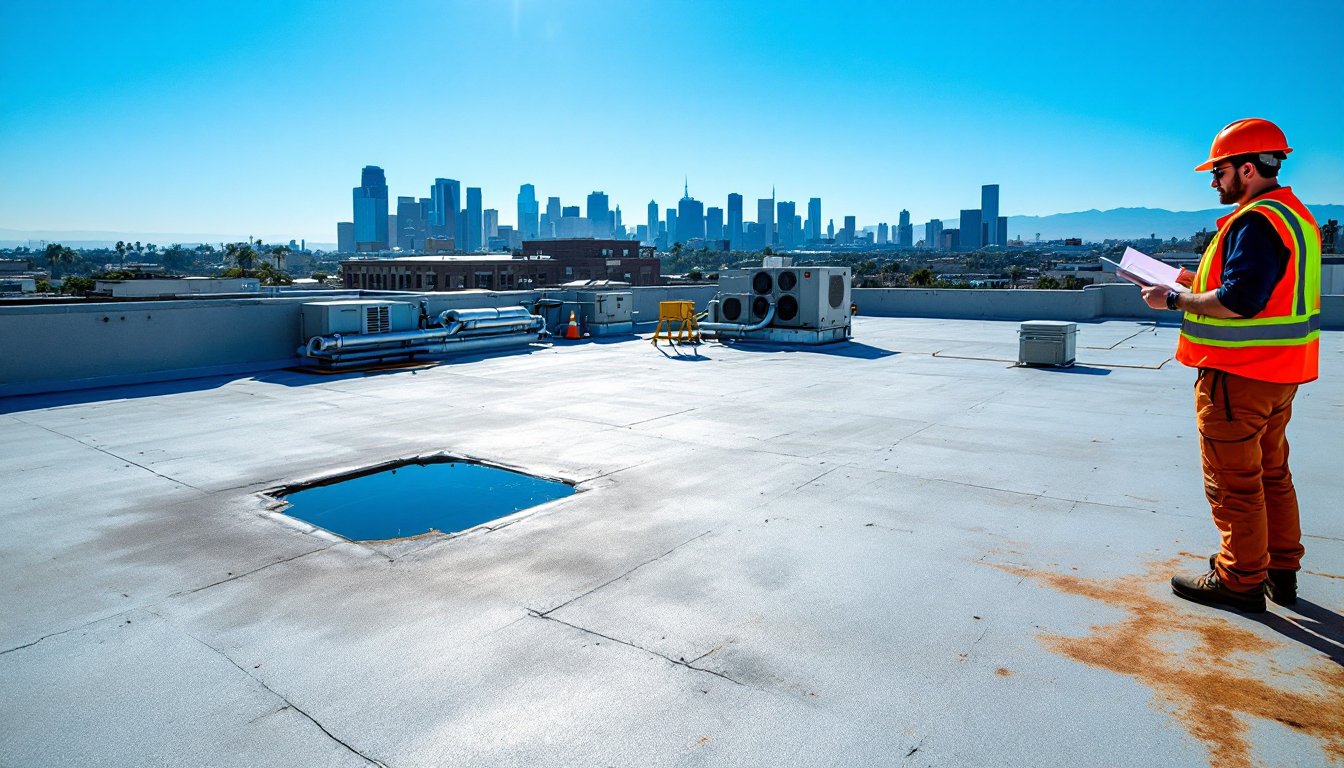
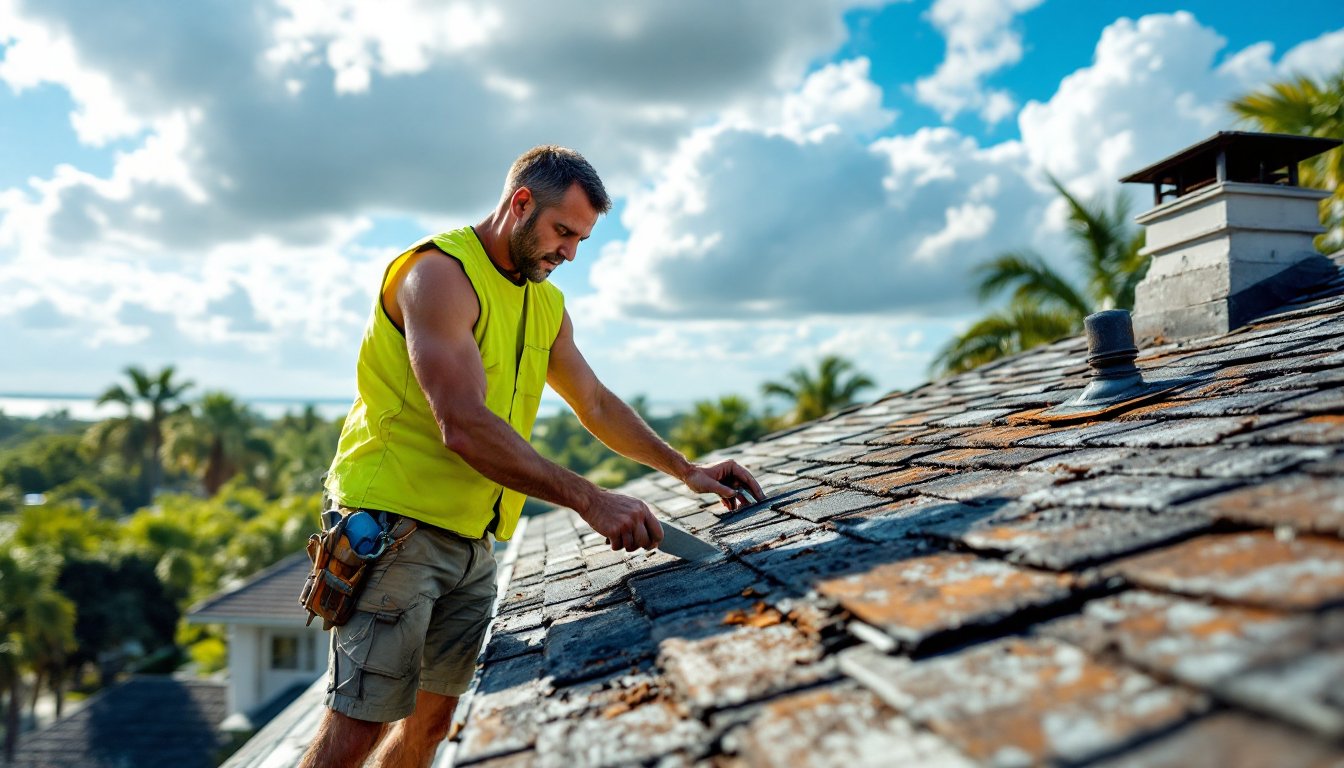
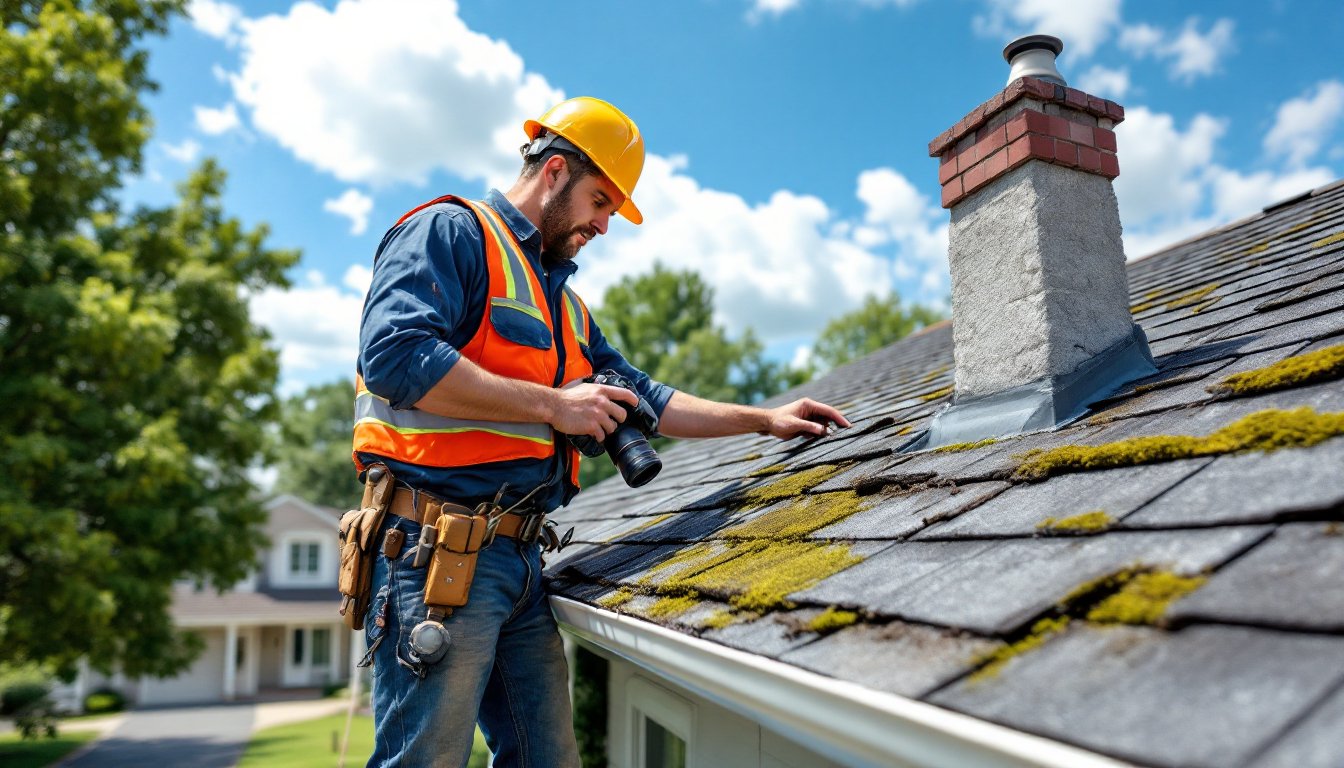
A legitimate inspection takes 45 minutes to two hours, depending on roof size and complexity. The contractor will physically walk the roof (safely and professionally) or use binoculars and drones to inspect hard-to-reach areas. They’re looking for broken, missing, or curled shingles, soft spots in the decking, flashing damage around chimneys and vents, gutter condition, and signs of algae or moss growth.
They’ll check the slope and drainage to spot pooling water, a common cause of leaks. They’ll inspect the soffit, fascia, and vents for rot or pest damage. Inside, they’re scanning for water stains on the underside of sheathing, checking ventilation adequacy, and assessing whether the insulation is in good condition. A good inspector documents everything with photos and measurements.
You’ll receive a written estimate that details the problem areas, recommended repairs or replacement, materials specified, labor cost, timeline, and warranty terms. The estimate should reference any applicable building codes relevant to your region. If they’re proposing major structural work (sagging joists, rotted decking, inadequate ventilation), they should explain why it matters and what happens if it’s not addressed. HomeAdvisor’s repair cost data provides helpful benchmarks so you can sanity-check what you’re being quoted.
Comparing Estimates and Choosing the Right Contractor
Once you have three written quotes, create a simple comparison chart. List materials, scope of work, labor costs, and warranty terms side by side. Don’t default to the lowest number. If one estimate is significantly cheaper, find out why. Are they using a lower-grade shingle? Skipping repairs you need? Quoting only partial coverage? Contact that roofer and ask specific questions.
Check contractor licensing status one more time before deciding. A licensed, insured contractor with solid reviews and clear communication is worth the extra cost over someone offering a suspiciously low price. Verify that your chosen contractor is bonded and carries adequate liability insurance, this protects you if someone gets injured or property gets damaged during the job.
Review the warranty terms carefully. Manufacturer warranties typically cover defects in materials (usually 15–30 years for quality shingles): workmanship warranties cover installation quality (typically 5–10 years). Some contractors offer longer workmanship warranties to stand behind their work. A contractor willing to guarantee their installation for a decade is confident in their crew. Get the warranty terms in writing before signing a contract. Ask if the warranty transfers to a new homeowner if you sell, it’s a selling point and increases home value. Once you’ve narrowed your choice, ask for references and actually call them. A contractor who’s happy to provide past client contact info is transparent and confident.