A roof leak doesn’t wait for an appointment or the right season. Water streaming into your attic at 2 a.m. demands immediate action, not just to stop the damage spreading, but to prevent mold, electrical hazards, and structural rot that can cost thousands. This guide walks you through spotting the problem, applying temporary fixes, and knowing when to call in a professional. Whether you’re handling this yourself or coordinating with a roofer, understanding your options now keeps your home safer and saves money on repairs down the line.
Table of Contents
ToggleKey Takeaways
- Emergency roof leak repair near me requires immediate action to prevent mold, electrical hazards, and structural rot that can cost thousands in damage.
- Identify the leak source by inspecting your attic for dark stains and checking the roof exterior for missing shingles, cracked flashing, and deteriorated caulk.
- Apply temporary fixes such as waterproof roof patch kits and roofing cement for minor damage, but use safety equipment and only on dry days with stable ladder access.
- Call a professional roofer for leaks in valleys, steep or wet roofs, rotted framing, roofs over 20 years old, or when damage exceeds 20% of the roof surface.
- Find trusted local roofers by asking for recommendations, checking reviews on Angi and the Better Business Bureau, and verifying licensing, insurance, and bonding before hiring.
- Prevent future emergencies through professional roof inspections every 2–3 years, clearing gutters, trimming branches, improving attic ventilation, and replacing damaged shingles promptly.
Identify and Assess the Damage
Spotting Signs of a Roof Leak
Water doesn’t always drip straight down. It follows the path of least resistance, running along rafters, soaking into insulation, and appearing on your ceiling or wall far from the actual hole. Start by checking your attic or crawl space on a dry day with a flashlight. Look for dark stains, wet insulation, mold spots, or rotted wood framing.
Inside the house, stains spreading outward from a central point suggest the leak originates directly above. Stains that follow the wall line or corner suggest water is traveling down structural members. Mark these spots with tape, they’ll guide you when inspecting the roof.
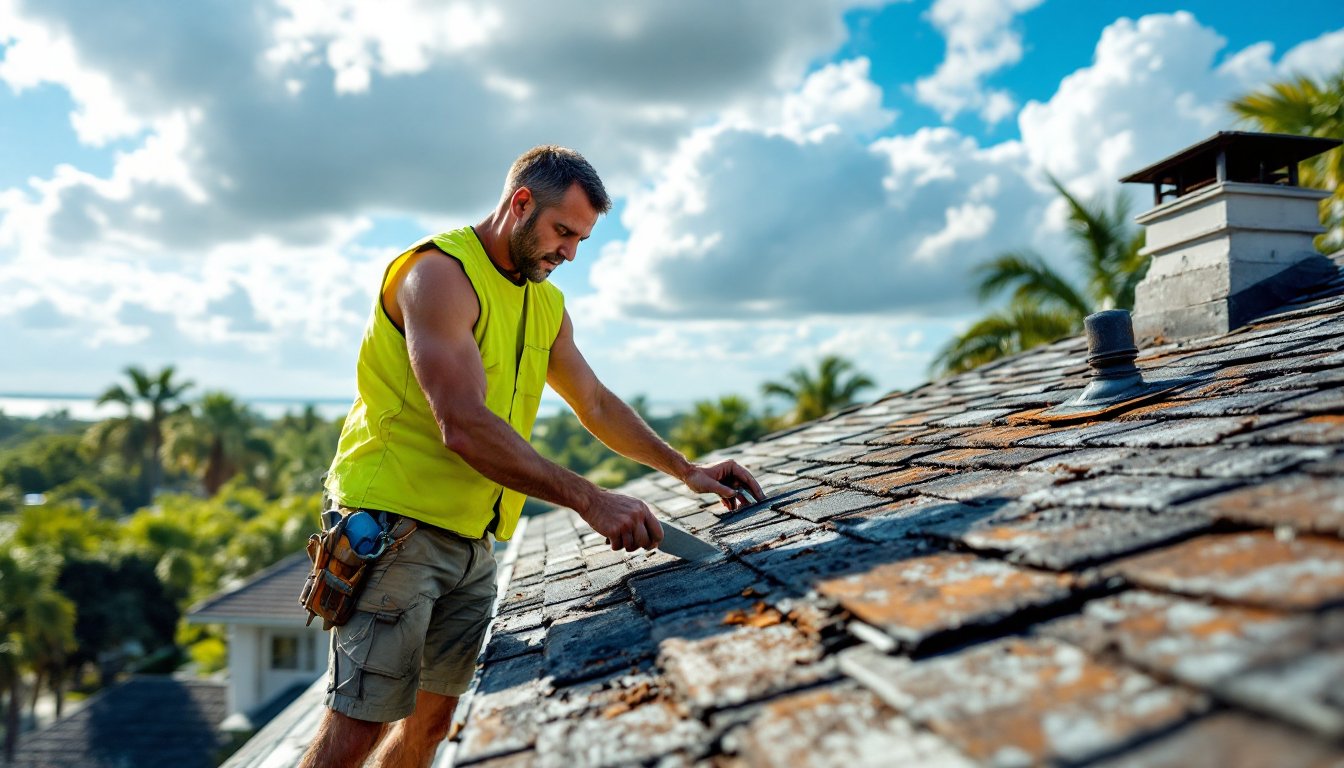
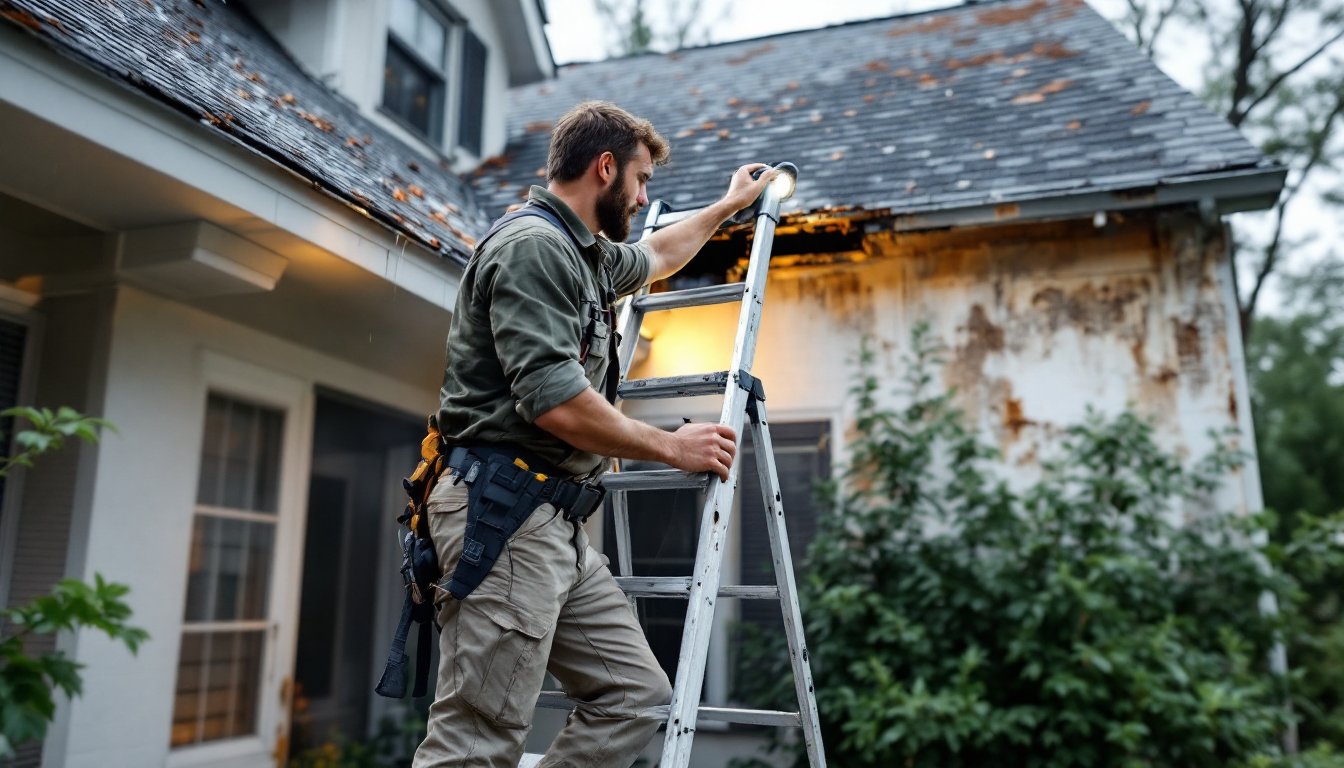
On the exterior, climb up carefully (use a ladder on stable ground) and look for missing or damaged shingles, cracked flashing around chimneys or vents, gaps where siding meets the roof line, or deteriorated caulk sealing holes. Standard asphalt shingles last 15–25 years depending on climate: older shingles crack, curl, or lose granules (the gritty surface) and become porous. Metal roofing can rust or separate at seams if fasteners loosen.
Don’t just eyeball it from the ground. Standing water in valleys, missing shingles, or lifted flashing won’t show from below. Use binoculars if you can’t safely climb, or skip this step and move straight to calling a professional if you’re uncomfortable on a ladder.
Take photos of interior and exterior damage before doing anything. Your insurance company and any roofer you hire will want documentation.
Temporary Fixes to Stop Active Leaks
If water is actively dripping, your first job is containment, not a permanent cure. Temporary patches buy you time before professional repairs.
For active interior leaks: Set buckets under the drip to catch water (prevents slipping hazards and hidden damage below). Use a push pin or small nail to poke a hole in the sagging drywall or ceiling just below the stain. This controlled hole releases water into a bucket instead of letting pressure build and causing a larger collapse. Once the bucket’s in place, you can focus on the roof without water spreading unpredictably through your home.
For minor roof damage: On a dry day, climb to the damaged area. Wear non-slip shoes, use a stable ladder, and if your roof pitch is steep (more than 6 inches of rise per 12 inches of run), use a safety harness or rope anchored to a rafter at the peak.
For a missing shingle or small tear: Clean out debris, dry the area with a cloth, then apply a waterproof roof patch kit, these come as sticky-backed rubber sheets (brands like Dicor or Henry make solid products). Cut it to size, press it firmly over the damage, and seal edges with roofing cement applied with a putty knife. This isn’t pretty, but it stops water for days or weeks.
For lifted shingles: Check if the nails underneath have popped. If so, tap them back down with a roofing hammer (which has a specialized head to avoid damaging shingles). Then seal the shingle edges and nail heads with a small dab of roofing cement. Use just enough to seal, too much makes removal difficult later.
For damaged flashing around vents or chimneys: This is trickier. Caulk gaps with silicone roof caulk rated for high temperatures and UV exposure (not standard caulk). If flashing is dented or separated, a temporary bead of caulk buys time, but flashing usually needs replacement, a job better handled by a professional.
Wear safety glasses and work gloves when handling rough roof edges and cement. Roofing cement is sticky and irritating: wash your hands and tools afterward.
When to Call a Professional Roofer
Some repairs demand a licensed professional. Know when to put the ladder away.
Call a professional if: The leak is in a valley (where two roof planes meet), around flashing, or if shingles are curling or moss-covered, these point to systemic wear, not a single fix. If your roof is steep, wet, or covered in algae and mold, climbing poses serious slip hazards. If the attic framing is soft or rotted, the underlying structure may be compromised: repairs alone won’t address foundation decay. If your roof is past 20 years old and leaking, insurance or safety codes may require full replacement, not patching.
Emergency leaks during storms, when you can’t safely access the roof or when damage is extensive, warrant professional help immediately. A roofer can assess whether temporary tarping is needed before permanent repairs, and they carry insurance to cover if something goes wrong.
Most jurisdictions require that roofing work over a certain extent, often anything affecting more than 20% of the roof surface, be done by a licensed roofer and permitted. Check with your local building department before attempting major work. Some roofers offer 24/7 emergency services, crucial if a storm tears off shingles in the middle of the night.
Hiring a professional isn’t admitting defeat. It’s recognizing that one mistake, a missed leak source, or improper flashing installation, can cause thousands in water damage. A roofer’s warranty and insurance protect you too.
Finding Trusted Roof Repair Services Near You
Finding a reliable roofer takes a bit of assignments, but it’s worth it.
Start by asking neighbors, local contractors, and your property manager for recommendations. Word-of-mouth is gold because you hear about both quality of work and how the roofer behaved on the job. Check online reviews on Angi and the Better Business Bureau, but also read reviews critically, one bad review doesn’t doom a company, but patterns of poor communication or unfinished work are red flags.
Get at least three written quotes. A quote should specify the materials (shingle type, brand, and quantity), labor scope (repairs vs. full replacement, number of layers being removed), timeline, and warranty on both materials and workmanship. Avoid contractors who won’t provide written estimates or pressure you to pay upfront in full. A 50% deposit and final payment upon completion is standard and safe.
Verify licensing and insurance. Your state or province requires roofers to carry a license and prove liability insurance. A contractor unwilling to show proof of insurance is a dealbreaker, if they get hurt on your roof, you could be liable. Ask if they’re bonded (that covers you if they disappear mid-job without finishing).
Use platforms like HomeAdvisor to find local roof repair services and filter by rating and location. These sites connect you with vetted contractors, though you’ll still want to vet independently. Ask contractors how long they’ve been in business, how many roofs they repair annually, and if they subcontract or do work in-house (in-house is usually better for oversight and accountability).
If cost is a major factor, research typical roof repair costs in your area: Bob Vila’s roof repair cost guide provides regional breakdowns and labor estimates. This helps you spot quotes that are suspiciously low (often a sign of cutting corners) or sky-high without justification.
Preventing Future Roof Leaks
Once you’ve fixed the leak, invest in prevention. Most roof leaks start small, a curled shingle, a cracked seal, and spread if ignored.
Schedule a professional roof inspection every 2–3 years, and immediately after storms (especially hail or heavy wind). An inspector will catch early signs of wear, moss growth, or damaged flashing before they become emergencies. If you’re comfortable on a roof, a DIY visual inspection twice yearly is helpful supplementary maintenance.
Keep gutters and downspouts clear of debris. Clogged gutters cause water to back up under shingles, entering at the eaves, a common and preventable leak. Trim tree branches hanging over the roof: branches scratch shingles and drop debris that traps moisture.
Improve attic ventilation and insulation. Poor airflow and moisture buildup cause shingles to rot from underneath, especially in humid climates. Ensure soffit vents aren’t blocked by insulation, and check that your attic has balanced intake and exhaust ventilation (typically one vent per 150 square feet of attic space, though codes vary).
Apply a moss and algae preventative if you live in a damp climate. Copper or zinc strips installed along the roof peak release ions that inhibit fungal growth, extending shingle life. Pressure-washing to remove moss is tempting but can damage shingles if done incorrectly, hire a professional if moss is heavy.
Replace shingles that are curling, missing granules, or brittle. A few replaced shingles every few years cost far less than fixing water damage. Similarly, caulk around vents and flashing annually, and reseal any lifted shingles before they allow water underneath.
Conclusion
Emergency roof leaks demand fast thinking, contain the water inside, identify the source, apply a temporary patch if you can safely access the roof, and get professional help if the damage is extensive or you’re unsure. Being honest about your skill level and comfort on a ladder keeps you safe and prevents costly mistakes. A trusted local roofer can assess whether you need a small repair or a larger replacement, and prevention through regular inspections and maintenance keeps future emergencies at bay.