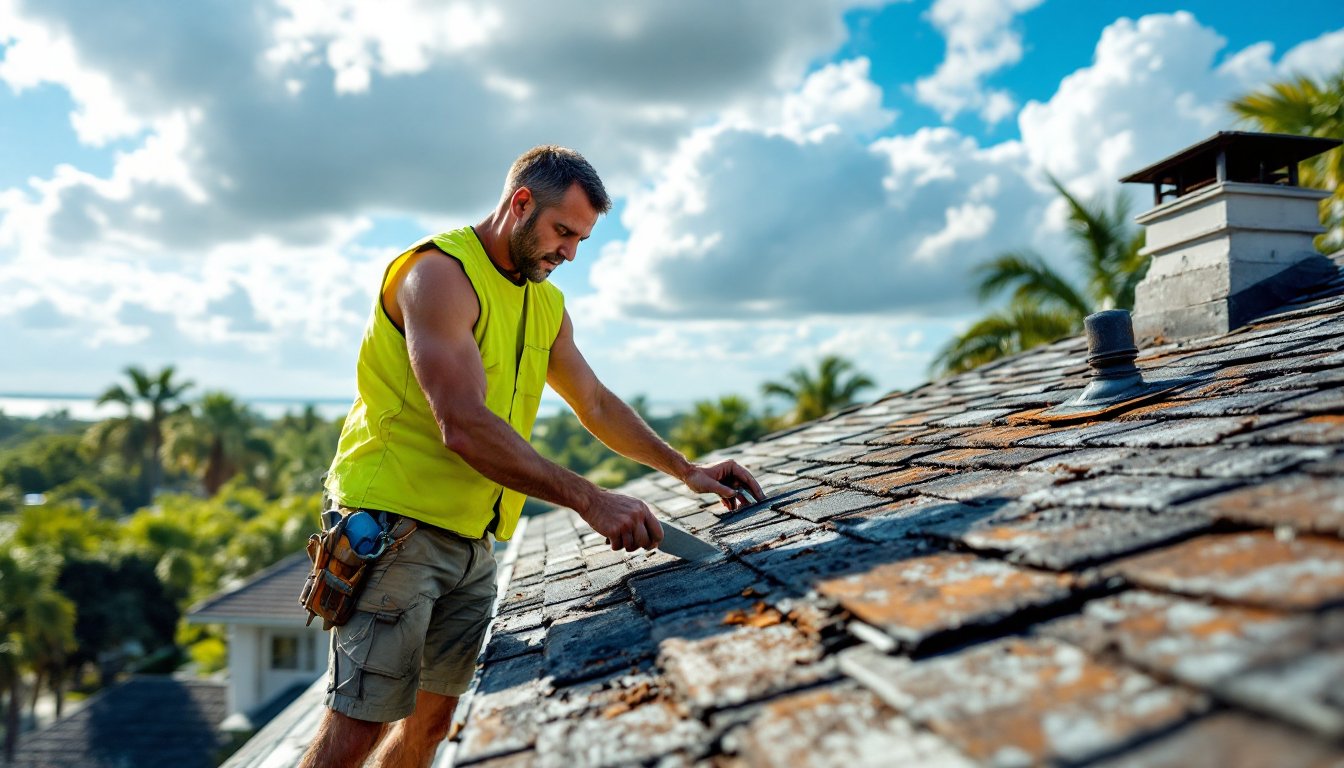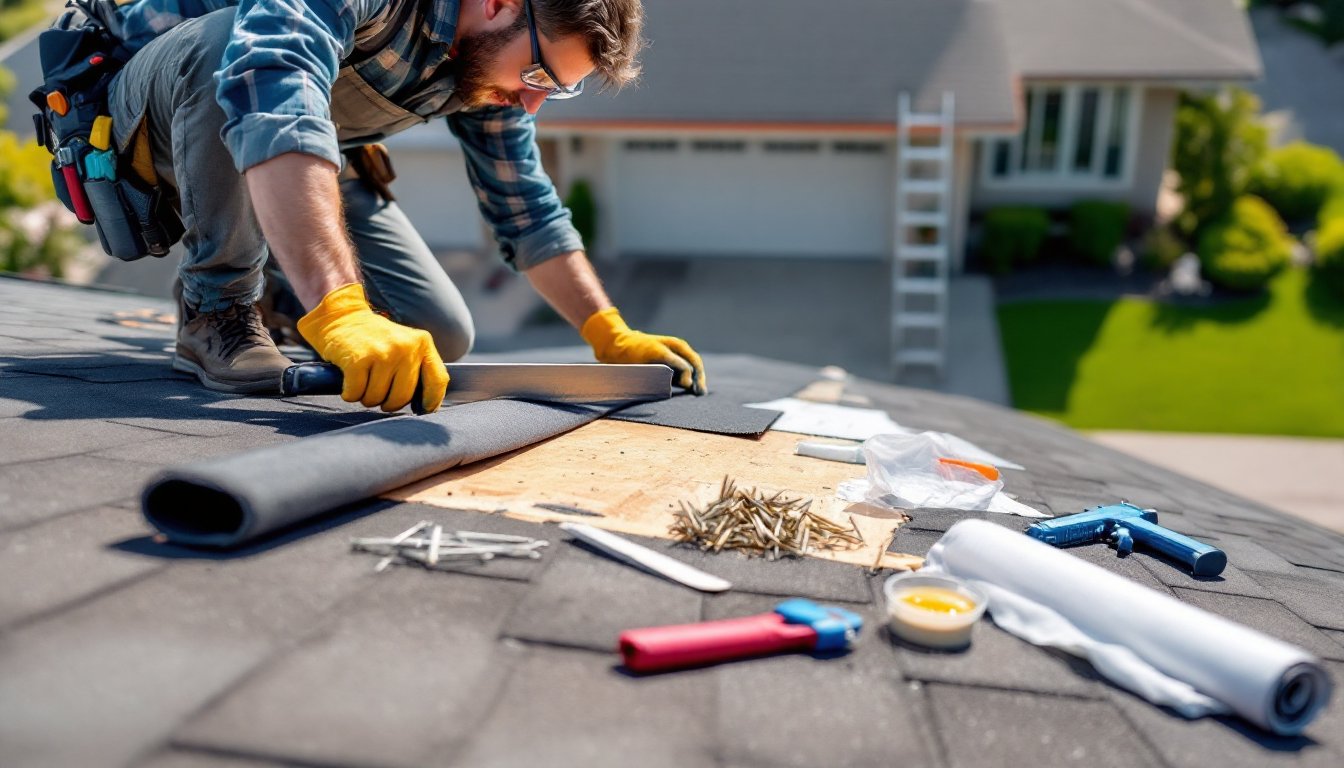
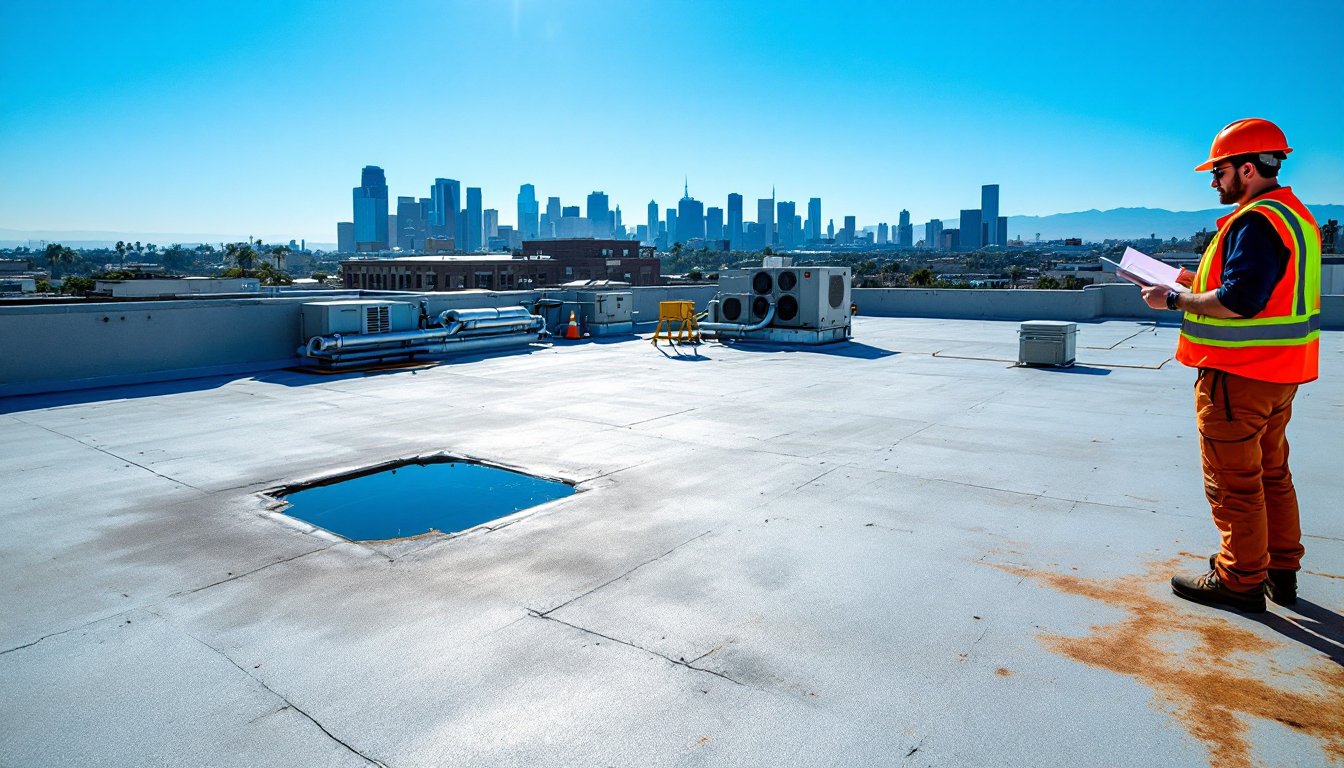
Managing a commercial property in Los Angeles means dealing with one of the harshest roof environments in the country. The intense California sun, occasional heavy rains, and temperature swings from desert heat to cooler nights all take a toll on roofing systems. Unlike residential repairs, commercial roof damage affects your bottom line immediately, tenant complaints, liability exposure, and potential interior damage can escalate costs fast. Whether you’re managing an office building, a retail center, or an industrial facility, understanding commercial roof repair in Los Angeles isn’t optional: it’s part of responsible property stewardship. This guide walks you through recognizing problems early, finding trustworthy contractors, and making smart decisions about when to repair versus replace.
Table of Contents
ToggleKey Takeaways
- Los Angeles’ intense UV exposure, thermal expansion cycles, and rare heavy rains create a harsh environment requiring proactive commercial roof repair to avoid costly interior damage and tenant disputes.
- Commercial roof maintenance extends system lifespan by 5–10 years and costs a fraction of emergency repairs or replacement, making early detection of cracks, blistering, and water stains essential.
- Hire only California C-39 licensed contractors verified through the CSLB website with proof of $1 million liability insurance and manufacturer certification to avoid substandard work or hidden costs.
- Replace your roof if it exceeds 15 years in Southern California, more than 25–30% of the membrane is damaged, or repair costs approach 50–60% of replacement—each scenario signals systemic wear rather than isolated problems.
- Implement twice-yearly professional inspections, keep drains clear, address flashing deterioration immediately, and maintain detailed records to prevent ponding water, UV degradation, and unexpected failures on your commercial roof.
- Consider reflective coatings ($0.75–$1.50 per square foot) for aging roofs as a cost-effective interim solution that extends membrane life 5–10 years before full replacement becomes necessary.
Why Commercial Roofing Maintenance Is Critical for LA Property Owners
A commercial roof isn’t like a residential one. It typically spans a much larger area, carries more water load during rare heavy rains, and bears exposure to unfiltered sun that degrades materials faster than in most climates. In Los Angeles, the ultraviolet (UV) index regularly exceeds the national average, meaning roofing membranes, whether built-up asphalt, TPO (thermoplastic olefin), or EPDM rubber, deteriorate more aggressively.
When a roof fails, the financial consequences ripple. Leaks damage inventory, interrupt operations, and expose your business to tenant disputes or regulatory violations. In commercial real estate, even a small leak can trigger mold growth within days, especially if it goes undetected during the warm, humid months. Water intrusion also compromises insulation and structural integrity, driving energy costs higher as the HVAC system works overtime to compensate.
Proactive maintenance extends roof life by 5–10 years and costs a fraction of emergency repairs or replacement. Regular inspections catch problems while they’re still cosmetic, a small crack sealed for a few hundred dollars now beats a full membrane replacement costing tens of thousands later.
Understanding Common Commercial Roof Problems in Los Angeles
Los Angeles commercial roofs face a specific set of challenges baked into the climate and building stock.
Thermal expansion and contraction is the silent killer. As the roof heats to 150°F+ during the day and cools to 70°F at night, seams and flashing expand and contract thousands of times per year. This cyclical stress causes cracks in membranes, separates seams, and loosens fasteners. Built-up roofs, the older, tar-based systems common on many LA commercial buildings, are especially vulnerable because the tar becomes brittle under extreme heat.
Ponding water occurs when a flat or low-slope roof doesn’t drain properly. In LA, even light drizzle or morning dew can pool in low spots. Over weeks, standing water degrades the membrane, attracts algae, and adds dead load that stresses the structure. A roof that was graded adequately when new can develop ponding as the structure settles slightly or if gutters and drains become clogged with debris.
Punctures and membrane damage happen constantly on commercial roofs. A contractor’s ladder, a debris strike during Santa Ana winds, or foot traffic from maintenance workers can breach the membrane. In the dry LA climate, a small hole might go unnoticed for months, until a rare rain event finds it.
UV degradation accelerates in Southern California. TPO and PVC membranes fade and lose flexibility when exposed to unrelenting sun. EPDM rubber, though more UV-resistant than some materials, still hardens and cracks over 10–15 years in this climate.
Signs Your Commercial Roof Needs Immediate Repair
Don’t wait for leaks to show up inside. Watch for these red flags:
- Visible cracks, blistering, or peeling in the roof membrane indicate the material is failing. A single blister may seem minor, but it means the membrane is separating from its substrate, others will follow.
- Wet insulation when you access the attic or interior ceiling space signals active or recent leaks. Insulation loses its R-value when wet, and mold colonizes soggy fiberglass within 48 hours.
- Water stains on ceiling tiles or drywall, especially in patterns near walls or under HVAC penetrations, pinpoint where water is entering. Don’t ignore these: they’re proof of active failure.
- Algae, moss, or standing water on the roof surface shows drainage problems or membrane degradation. This can accelerate deterioration and suggests the roof’s slope or drainage system needs attention.
- Rusted or corroded flashing around penetrations (pipes, vents, HVAC units) means the metal is failing and leaks are likely. Rust spreads: once it starts, it advances quickly in LA’s coastal salt air, especially near the ocean.
- Loose or missing fasteners in mechanically-attached systems indicate wind damage or material fatigue. Fasteners pull free when the membrane shrinks or when wind loads exceed the fastening schedule’s capacity.
How to Find and Vet Qualified Roof Repair Contractors
This is where property managers often stumble. Finding a roofing contractor who’s licensed, insured, and honest is harder than it should be. The roofing industry has legitimate operators and plenty of fly-by-night shops that cut corners, disappear after signing a contract, or upsell unnecessary work.
Start with verified credentials. A California-licensed roofing contractor must carry a C-39 license (roofing) issued by the CSLB (Contractors State License Board). Check the license number on the CSLB website, verify it’s current, in good standing, and hasn’t been flagged for complaints. Ask for proof of workers’ compensation insurance and general liability coverage at least $1 million. Don’t accept verbal assurances: request certificates of insurance.
Look for manufacturer certification. If you’re considering a TPO or PVC re-roof, ask if the contractor is certified by the membrane manufacturer (GAF, Johns Manville, Sika, etc.). Certified contractors understand installation specs and can help you maintain any manufacturer warranty.
Gather multiple estimates, at least three. When comparing quotes, ensure contractors are specifying the same scope. A quote that’s 30% lower than others usually reflects corners being cut. Ask contractors to explain their repair approach: Are they patching, re-coating, or replacing sections? What warranty does the repair carry?
Online review platforms like HomeAdvisor contractor ratings can help: look for patterns in feedback, not just star counts. Call at least two references and ask about completion timeline, professionalism, and whether the contractor communicated cost overages upfront. A contractor who’s evasive about references is a yellow flag.
Be wary of unsolicited door-to-door offers or aggressive sales tactics. Legitimate roofing companies build business through reputation and referrals, not pressure.
Commercial Roof Repair vs. Replacement: Making the Right Choice
This decision pivots on three factors: roof age, extent of damage, and cost-benefit math.
Roof age matters most. Most commercial membranes, TPO, EPDM, built-up asphalt, carry an expected lifespan of 15–20 years in Southern California. The harsh sun cuts that short compared to more temperate climates. If your roof is past 15 years and you’re facing significant damage, replacement often makes more sense than a major repair. A repair on a 17-year-old roof might buy you only 2–3 years before the next failure, whereas a new system carries a 15–20 year warranty.
Extent of damage determines feasibility. A few isolated punctures, a failing flashing detail, or minor membrane cracking? Repair. But if more than 25–30% of the membrane is compromised, or if multiple independent failures are present, replacement becomes economical. Multiple failures suggest systemic wear, not a one-off problem.
Run the cost-benefit math. A typical commercial roof repair in Los Angeles ranges from $1,500 to $5,000 for spot repairs or $8,000–$15,000 for larger sections. A full replacement, re-decking if needed, new membrane, flashing, and insulation, can cost $15–$30+ per square foot depending on roof size and complexity. On a 10,000 sq. ft. roof, that’s $150,000–$300,000. Angi’s home service cost guides and ImproveNet’s project planning tools can provide regional benchmarks, though commercial quotes always require custom assessment. If repair costs are climbing toward 50–60% of replacement cost, and the roof has years left, replacement might offer better long-term value.
Consider your risk tolerance, too. Patching an aging roof means ongoing maintenance. If you prefer predictability and warranty coverage, replacement wins. If the roof is young and the failure is localized, repair is the smart choice.
Protecting Your Investment: Preventive Maintenance Tips for LA Roofs
Once you’ve repaired or replaced your roof, maintenance determines how long it lasts. In Los Angeles, a structured program pays for itself.
Schedule professional inspections twice yearly, ideally in spring and fall. A trained eye spots issues like separating seams, rust, or early cracking before they become emergencies. After heavy wind or rare storms, get the roof inspected. Santa Ana winds can loosen fasteners or tear membranes without obvious leaks appearing inside immediately.
Keep drains and gutters clear. Remove debris, leaves, and dirt from roof drains, gutters, and leaders quarterly. Ponding water accelerates membrane failure: clear drainage is your first defense. If your building has interior drains, make sure they’re not blocked by accumulated sediment.
Address penetrations promptly. HVAC units, plumbing vents, electrical conduits, and skylights all pierce the membrane. Check the flashing and sealant around each one annually. Corroded or cracked flashing should be replaced immediately: it’s one of the most common entry points for leaks.
Trim overhanging trees that shed needles or branches onto the roof. Debris traps moisture and promotes mold: it also clogs drains. In LA’s dry climate, debris also increases fire risk in dry months.
Document everything. Keep a log of inspections, repairs, and maintenance. When it’s time to sell or refinance the property, buyers and lenders want proof the roof was maintained. A detailed record also helps your contractor diagnose recurring issues.
Consider a preventive coating. For aging roofs that aren’t yet ready for replacement, a reflective acrylic or silicone coating extends life by protecting the membrane from UV and reducing thermal stress. Coatings cost $0.75–$1.50 per square foot and can add 5–10 years of life. Not a replacement, but a smart interim step.
Conclusion
Commercial roof repair in Los Angeles demands attention because the climate is unforgiving and the cost of failure is steep. Regular inspections, early repairs, and strategic replacement decisions protect both your property and your bottom line. Partner with licensed, certified contractors, stay on top of maintenance, and you’ll maximize your roof’s lifespan and keep surprises off your budget. The money spent on prevention always beats the emergency repair bill.