
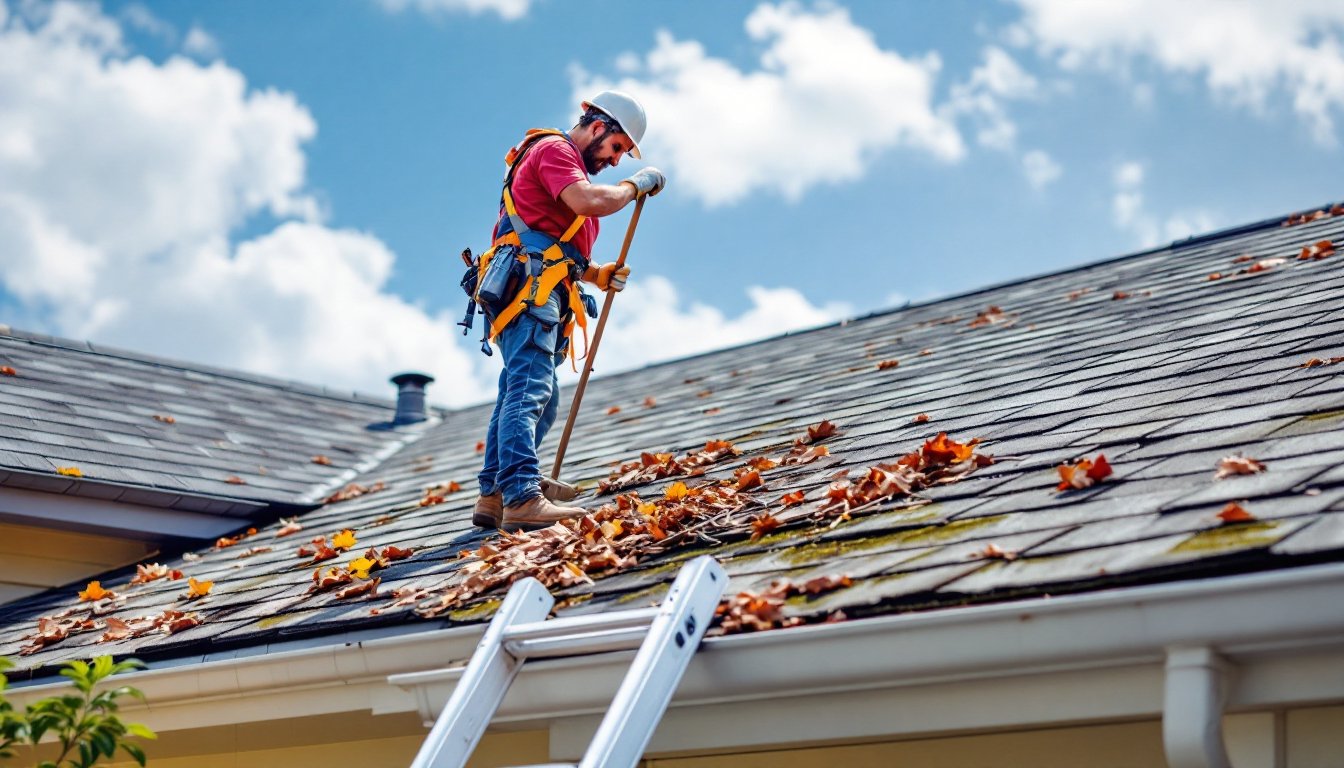
Your roof is arguably your home’s most critical defense system, yet it’s easy to ignore until something goes wrong. A leaky roof doesn’t just ruin your ceiling, it can compromise your home’s structural integrity, invite mold and pest problems, and cost thousands in repairs. The good news? Regular roof maintenance catches problems early, extends your roof’s lifespan by years, and saves you money in the long run. Whether you’re a new homeowner or a seasoned DIYer, understanding the basics of roof maintenance empowers you to take control of one of your biggest investments. This guide walks you through what to inspect, when to inspect it, and how to handle common issues before they become emergencies.
Table of Contents
ToggleKey Takeaways
- Regular roof maintenance can extend your roof’s lifespan by 5-10 years and prevent thousands in emergency repairs by catching small problems early.
- Seasonal inspections are essential: spring reveals winter damage, summer checks for heat-related wear, fall prepares for winter stress, and winter identifies active leaks through visible moisture.
- Home roof maintenance includes clearing gutters, removing debris from valleys, inspecting flashing around chimneys and vents, and checking for missing or curled shingles without using high-pressure washers.
- Hire a professional roofer for structural issues like sagging roofs, water damage in framing, unclear leak locations, or any work requiring permits and building code compliance.
- Document all inspections with photos and maintain detailed records of repairs, as this information supports insurance claims and home resale value.
- Missing shingles, excessive granule loss visible in gutters, cracked flashing, and interior water stains are early warning signs that your roof needs attention.
Why Regular Roof Maintenance Matters for Your Home
Most homeowners don’t think about their roof until water starts dripping onto their bedroom floor. By then, the damage is often extensive and expensive. Regular roof maintenance flips this script, you catch small problems like a few missing shingles or a clogged gutter before they snowball into structural damage.
A well-maintained roof typically lasts 20-25 years for asphalt shingles, 30-40 years for metal, and even longer for slate or concrete tiles. Neglect it, and you might get only 15 years or less. That’s a decade of premature aging. Beyond longevity, maintenance protects your home’s interior, keeps insurance claims from multiplying, and maintains your home’s resale value. Buyers run a roof inspection, if yours shows years of deferred maintenance, they’ll demand a discount.
Seasonal weather also takes a toll. Heavy rain, wind, hail, and temperature swings stress shingles, flashings, and underlayment. An inspection after severe weather can prevent leaks from developing. Part of smart homeownership is staying ahead of these issues. That’s where a basic Home Maintenance Checklist by Month comes in handy, keeping roof tasks on your radar alongside other critical systems.
Seasonal Roof Inspection Checklist and What to Look For
Timing your roof inspections with the seasons ensures you catch damage before it worsens. Spring, summer, fall, and winter each bring different stressors and opportunities to assess your roof’s health.
Spring and Summer Inspections
After winter, spring is prime time to check for ice dam damage, missing or curled shingles, and debris accumulation. Start from the ground with binoculars, you don’t need to climb the roof yet. Look for shingles that are lifted, cracked, or visibly worn. Shingles lose their granules (the gravel-like coating) over time: excessive granule loss shows in gutters or downspouts.
If you do climb (and you’re comfortable with heights), wear a safety harness and use a sturdy ladder on level ground. Inspect flashings around chimneys, vents, and skylights, these are common leak points. Check that caulk or sealant is intact: if it’s cracked or missing, water will find its way underneath. Summer heat can curl shingles, so note any that look warped or blistered.
Don’t forget the gutters. Leaves, twigs, and granules clog gutters, which then back up and force water under eaves. Clear gutters of debris and ensure downspouts drain at least 4-6 feet away from your foundation. Poor drainage contributes to both roof leaks and foundation problems. Gutter Maintenance and Repair is closely tied to roof health, they work together to shed water away from your home.
Fall and Winter Preparations
Fall inspections focus on preparing for winter’s weight and moisture. Clear leaves and pine needles from the roof itself, gutters, and valleys (the V-shaped seams where roof planes meet). These areas trap water and ice, leading to ice dams that force water under shingles.
Winter brings unique challenges. Ice and snow loads stress the structure: in heavy snow regions, you may need to monitor snow depth and safely remove buildup. Freeze-thaw cycles expand and contract materials, loosening fasteners and opening seams. After heavy snow or ice storms, inspect for obvious damage, sagging areas, torn shingles, or missing flashing.
A Monthly Home Maintenance Checklist helps you schedule these tasks consistently. Winter is also when leaks are most visible, attic moisture, water stains on ceilings, or damp insulation tell you water’s getting in somewhere.
DIY Roof Cleaning and Debris Removal
Keeping your roof clean reduces moisture retention, slows algae growth, and prevents debris from clogging valleys and gutters. Here’s how to tackle it safely and effectively.
Tools and Materials You’ll Need:
- Sturdy extension ladder (rated for your weight)
- Safety harness or roof bracket (non-negotiable)
- Work gloves (cut-resistant, rubber-coated)
- Goggles or safety glasses
- Roof rake or leaf blower (for light debris)
- Gutter scoop or small shovel
- Garden hose with spray nozzle (avoid high-pressure washers, they damage shingles)
- Stiff brush (for stubborn moss or algae)
Basic Steps:
-
Set up safely. Position your ladder on flat, level ground. Secure it firmly. If using a harness, attach it to a sturdy point (rafter or chimney) before climbing. Never work on a wet or icy roof.
-
Remove debris. Use a roof rake or gently brush leaves and twigs toward the gutters. Work slowly to avoid dislodging shingles. Don’t use a pressure washer, it forces water under shingles and damages the protective granule coating.
-
Clear gutters. Scoop out leaves, dirt, and granules. Run water from a hose to flush remaining debris down the downspout. Check that water flows freely.
-
Address moss or algae. If you see green or black streaks, a stiff-bristled brush and water can help. For heavy growth, some homeowners apply a dilute bleach solution (1:10 ratio), but be cautious around landscaping. Never use a pressure washer for this, water damage outweighs the cosmetic benefit.
-
Inspect as you clean. This is the perfect time to spot missing shingles, exposed nails, torn flashing, or soft spots indicating rot. Mark problem areas for repair.
Safety Note: If your roof is steep, high, or you’re uncomfortable at heights, hire a professional. Roof falls are serious injuries. A basic cleaning is worth the peace of mind and the cost of hiring someone if DIY isn’t your comfort zone.
Common Roof Problems and How to Spot Them Early
Knowing what to look for turns you into an early-warning system for your roof. Here are the most common issues and their telltale signs.
Missing or Damaged Shingles: Visible gaps, exposed nailing, or torn shingles are red flags. Wind, age, and hail are the usual culprits. A few missing shingles are a DIY fix, most home improvement stores sell shingles by the bundle. You’ll need roofing cement, a utility knife, and a pry bar to remove nails.
Curling or Buckling Shingles: Shingles that curl at the edges or buckle in the middle indicate age, moisture problems, or poor attic ventilation. This accelerates deterioration and should prompt a full roof assessment.
Flashing Issues: Flashing (metal strips sealing seams and penetrations) can crack, rust, or pull away. Water sneaks in around chimneys, vents, and skylights if flashing fails. Look for dark stains on the roof below these areas.
Sagging Roof: A dip or sag in your roofline is serious, it suggests structural failure, water damage, or rot in the decking or framing. This is not a DIY issue: call a professional roofer immediately.
Leaks and Interior Stains: Water stains on ceilings or attic rafters indicate active leaks. Sometimes the leak appears far from the stain due to water running along framing. Inspect the attic during daytime to spot daylight coming through the roof.
Mold or Moss Growth: Dark streaks, green patches, or fuzzy growth mean moisture is lingering. This accelerates shingle deterioration and signals drainage problems. Poor attic ventilation or shaded areas prone to dampness are common causes.
Granule Loss: Run your hand over shingles: they shouldn’t shed granules easily. Excessive loss (visible in gutters) indicates aging. Most asphalt shingles lose granules throughout their life, but heavy loss before year 10 suggests premature wear.
When inspecting, take photos of problem areas. Documentation helps when calling contractors for estimates and supports insurance claims if needed.
When to Call a Professional Roofer
Not every roof issue is a weekend project. Knowing when to call a professional protects both your safety and your investment.
Call a Pro If:
- The damage is structural. Sagging, rot, soft spots, or water-damaged framing require professional assessment and repair. These issues affect your home’s integrity.
- Leak location is unclear. Water can travel inside walls or along framing far from the actual hole. A pro uses experience and sometimes thermal imaging to pinpoint leaks.
- Your roof is steep, high, or complex. If climbing makes you nervous or your roof has multiple levels and valleys, safety is paramount. Falls are a leading cause of home accidents.
- You need a roof replacement. Whether due to age, major storm damage, or widespread deterioration, a new roof is a significant investment requiring proper underlayment, flashing, and ventilation calculations. Building codes vary by jurisdiction, and some work requires permits and licensed contractors.
- Insurance claim is involved. Hail, wind, or storm damage may be covered, but insurance companies want professional assessments. An adjuster will evaluate the damage.
- The problem is beyond basic maintenance. Mold remediation, rot repair, or structural fixes aren’t DIY territory.
You can get cost estimates from services like HomeAdvisor, which connects homeowners with local roofers, or check reviews on Angi to see what contractors in your area charge and what past customers say. A House Maintenance Services professional can also guide you on whether a specific issue warrants a roof specialist or if it’s part of broader home care.
Getting a Quote: Most roofers offer free inspections and estimates. Get at least three quotes. Ask about warranties (both labor and materials), insurance coverage, and the timeline. Cheap isn’t always better, a $2,000 roof by an uninsured handyman can leave you liable if someone’s injured.
Maintenance is your responsibility, but knowing your limits keeps you safe and prevents costly mistakes.
Final Thoughts: Stay Proactive, Stay Safe
Your roof works 24/7 to protect everything you own. A little seasonal attention, clearing debris, inspecting for damage, and addressing small problems, goes a long way. Keep records of inspections and repairs: they’re valuable when selling or filing claims. Stay consistent with Annual Home Maintenance routines, know your limits, and call a professional when needed. Your future self will thank you when your roof is still standing strong 20 years from now.