
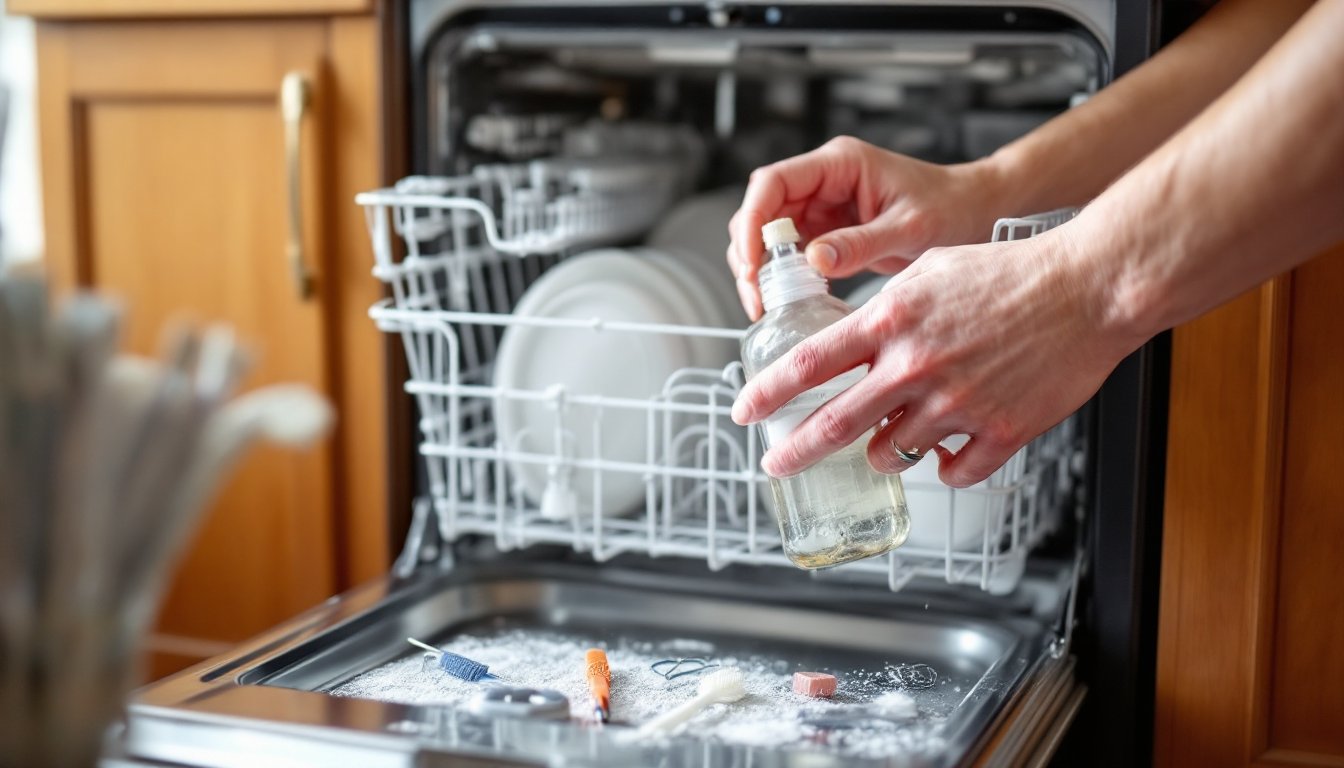
A Beko dishwasher breaking down is never convenient, especially when you’re staring at a sink full of dishes. The good news? Many common Beko dishwasher repairs don’t require a professional technician or expensive service calls. Whether it’s a clogged spray arm, a leaking door seal, or drainage troubles, most homeowners can diagnose and fix these issues themselves with basic tools and a little patience. This guide walks you through the most frequent problems you’ll encounter with a Beko dishwasher and shows you exactly how to address them. You’ll learn when a DIY fix makes sense and, just as importantly, when to call in a professional before things get worse.
Table of Contents
ToggleKey Takeaways
- Many common Beko dishwasher repair issues—including clogged spray arms, leaking door seals, and drainage problems—can be fixed by homeowners using basic tools and simple troubleshooting steps.
- Spray arm cleaning and door gasket replacement are among the quickest and most cost-effective Beko dishwasher repairs, often taking under 30 minutes and requiring minimal expertise.
- If your Beko dishwasher won’t fill with water, the pump won’t run, or you notice burning smells and electrical damage, stop and call a professional technician to avoid safety risks and costly mistakes.
- Standing water at the bottom of your dishwasher usually points to either a clogged drain filter or a kinked drain hose—check these two areas first before considering professional plumbing help.
- Knowing when to DIY versus when to call a professional prevents water damage, fire hazards, and unnecessary expenses on Beko dishwasher repair jobs.
Common Beko Dishwasher Problems And Quick Fixes
Before you panic, know that most Beko dishwashers fail for predictable reasons, and many are simple to address. The most frequent complaint is water not draining properly, followed by dishes coming out dirty, unusual noises during the cycle, and leaks around the door.
Dishes remaining dirty often point to a clogged spray arm. The rotating spray arms distribute water throughout the cycle, and mineral deposits or food particles block the tiny jets. A quick visual inspection usually reveals the problem: look inside the dishwasher and spin the arms by hand. They should rotate freely. If they’re stuck or won’t turn at all, that’s your culprit.
Water pooling at the bottom of the tub suggests a blocked drain filter or a kinked drain hose. Most Beko models have a removable filter basket at the bottom, open the door, look down, and you’ll see it. Food and debris collect there over time. A drain hose that’s twisted or pinched prevents water from exiting entirely.
Leaking from around the door typically means the door gasket (the rubber seal) has deteriorated. Beko door seals aren’t permanent: they crack, harden, or shrink after years of heat and moisture exposure. If water pools on your kitchen floor during a cycle, this is the usual suspect.
Strange noises, grinding, rattling, or squealing, can indicate a stuck object in the pump, a worn bearing, or debris lodged between the tub and door. Sometimes it’s something simple like a small bone or glass shard wedged in an awkward spot.
When To Call A Professional Technician
Not every dishwasher issue is DIY-friendly. Know your limits before you start taking things apart.
If your Beko dishwasher isn’t filling with water at all, the problem likely lies in the inlet valve, a small solenoid-controlled mechanism that lets water into the tub. Replacing this requires partial dishwasher disassembly and electrical work. Similarly, if the pump isn’t running (you hear no water movement or sound during a cycle), the pump motor itself may be failing. Motor replacement involves removing the tub and reconnecting electrical connectors in tight spaces. Professional HVAC and appliance technicians have specialized tools and experience for these jobs.
If you smell burning plastic, see scorch marks on the interior, or notice the heating element isn’t working, stop immediately. Electrical and heating-element failures risk fire and water damage. Call a technician or Beko customer support.
Leaks inside the tub (not around the door) often indicate a crack in the tub itself or a failed pump seal. Replacement tubs are expensive and labor-intensive. A professional can assess whether repair is worthwhile or if replacement is your better option. Building permits and water-line hookups may also apply depending on your situation: if you’re uncomfortable working with plumbing connections or unsure about local codes, hire a professional.
Cleaning And Unclogging Spray Arms
Spray arm problems are the easiest fix. Most take 10 minutes and require only a thin wire, a small brush, or a paperclip.
What you’ll need:
- A straightened paperclip or thin wire
- A small bottle brush or old toothbrush
- Warm water and white vinegar
- A flashlight
Steps:
- Open the dishwasher door and locate the spray arms, usually there’s a lower arm at the bottom and an upper arm inside the lid or upper rack area. Some Beko models have both: some have just one.
- Check if either arm spins freely by gently turning it by hand. If it’s stuck or blocked, proceed to the next step.
- Examine the small jets (tiny holes) along the underside and sides of each arm using a flashlight. Mineral deposits and hardened food often clog these openings.
- Straighten a paperclip and carefully push it into each jet hole to clear the blockage. Work gently, you’re not trying to enlarge the hole, just clear debris. A toothpick works too, though it’s more likely to break.
- Soak the entire arm in a bowl of warm water mixed with white vinegar (50/50 ratio) for 30 minutes. The vinegar dissolves mineral buildup without chemicals. Scrub with a bottle brush while it soaks.
- Rinse thoroughly under running water, then reinstall the arm and spin it to confirm it rotates freely.
Run the dishwasher on a short cycle to test. If dishes come out clean and water sprays evenly, you’ve solved the problem. If not, move to the drain filter next.
Replacing Worn Door Seals And Gaskets
A cracked or hardened door gasket is the second most common Beko dishwasher repair. The seal prevents water from escaping around the edges during the cycle. When it fails, you’ll notice water pooling under the dishwasher or around the base of your cabinet.
What you’ll need:
- A replacement door gasket (order the Beko part number specific to your model)
- A flathead screwdriver
- A clean cloth
- Mild soap and water
How to identify your model:
Open the dishwasher door and look for the model number on the inside edge or on a sticker on the tub’s side. Write it down and search for “Beko [your model number] door gasket” online. Ordering the correct part is critical, gaskets aren’t always interchangeable between models.
Steps:
- Open the door fully and examine how the gasket is held in place. Most Beko models use a groove channel that the gasket slides into, held by gravity and friction. Some use clips or screws.
- If it’s a groove-style gasket, gently pry one end out using a flathead screwdriver. Work slowly around the entire door frame, easing the old gasket out. It should come free without much force.
- Clean the groove with a damp cloth and let it dry completely. Remove any debris or old rubber fragments.
- Unbox your new gasket and let it sit at room temperature for a few minutes if it was stored in a cold place. Cold gaskets are stiffer and harder to install.
- Starting at one corner, press the new gasket into the groove, working your way around the entire door frame. Make sure it seats evenly and isn’t twisted. The gasket should feel snug but not over-stretched.
- Close the door and check that it seals properly. If you feel air gaps or see the door isn’t closing flush, reopen and reseat the gasket.
Run a test cycle and look under the dishwasher for leaks. Most homeowners report leaks stop immediately after gasket replacement. According to Good Housekeeping’s appliance testing, proper door seals are one of the most tested components in modern dishwashers because they’re so critical to performance.
Fixing Drainage Issues And Filter Problems
Standing water at the bottom of your Beko dishwasher after a cycle is a red flag. It usually means the drain isn’t working, either the filter is clogged or the drain hose is blocked.
Clearing the filter:
- Open the door and look at the bottom of the tub. You’ll see a cylindrical or basket-shaped filter, usually located in a corner or center.
- Twist or unclip the filter (Beko design varies by model, check your manual if unsure) and lift it out. Expect a gross mess of food particles and slime. This is normal.
- Rinse the filter under hot running water, scrubbing away debris with an old toothbrush. For stubborn buildup, soak it in warm vinegar for 20 minutes.
- Check the cavity where the filter sits. Use a cloth or old toothbrush to wipe away any remaining particles.
- Reinstall the filter, ensuring it’s fully seated and locked in place. A loose filter won’t seal properly and water will bypass it.
Checking the drain hose:
If the filter is clean but water still pools, the drain hose is likely kinked or clogged. The drain hose runs from the bottom of the dishwasher to either a sink P-trap or a garbage disposal outlet.
- Pull the dishwasher away from the wall or cabinet (turn off the water supply first if it has an inlet line).
- Trace the drain hose from the back of the dishwasher to where it connects to your plumbing. Look for obvious kinks, twists, or pinches.
- If the hose is twisted, straighten it gently. Avoid sharp bends, hoses work best with a gradual slope downward.
- Disconnect the hose at both ends (place a bucket underneath to catch any water). Look inside the hose for blockages. A straightened wire coat hanger or a plumbing snake can push clogs through.
- Flush the hose with hot water and reattach it, ensuring connections are tight.
Run a short cycle to confirm drainage. If water still backs up, the clog may be deeper in your sink P-trap or the garbage disposal. A professional plumber is your next step. HomeAdvisor estimates drain-related repairs average between $150–$400 depending on severity, so it’s worth trying the basics first.
Conclusion
Most Beko dishwasher repairs are within reach of a confident DIYer. Spray arm cleaning, door gasket replacement, and filter unclogging solve the vast majority of complaints, and they’re quick, inexpensive fixes. The key is honest troubleshooting: identify what’s happening, don’t skip the basic checks, and know when a professional is the safer choice. A broken door seal or clogged filter doesn’t stay broken for long once you know what to look for.