A roof leak might start as a small water stain on your ceiling, but it won’t stay small. Moisture spreads fast, rotting framing, insulation, and drywall, and your wallet takes a hit. The good news? Many roof leaks are fixable by a homeowner with basic tools and a willingness to get on a ladder. This guide walks you through identifying leaks, patching them temporarily in emergencies, and tackling permanent repairs. We’ll stick to what actually works, skip the Pinterest shortcuts, and be honest about when you need a professional.
Table of Contents
ToggleKey Takeaways
- A leak in roof repair often originates 10-30 feet higher than visible water damage, so tracing stains uphill toward the roof peak is essential for locating the actual entry point.
- Temporary fixes like tarping and patching buy time during emergencies, but only permanent roof leak repairs—replacing damaged shingles, fixing flashing, or sealing cracks—resolve the problem long-term.
- Inspect your attic on a sunny day with a flashlight to spot daylight holes, wet insulation, and dark streaks on roof decking, or use a helper with a hose to trigger active leaks.
- Before tackling roof work, gather proper safety gear (harness, ladder rated 300+ lbs, boots) and materials (roofing cement, galvanized nails, replacement shingles, outdoor silicone caulk).
- Call a professional roofer for leaks in valleys, under flashing, involving multiple shingles, or showing structural damage to roof decking—DIY repairs on complex damage risk costly mistakes and ongoing rot.
Signs Your Roof Has A Leak
You don’t need to be up on the roof to spot a leak’s damage below. Water stains on the ceiling, especially after rain or snowmelt, are the clearest signal. Look for dark patches, peeling paint, or soft spots in drywall. Mold or musty odors in attics are also red flags: mold thrives in damp attics and spreads quickly.
Check your attic on a sunny day with a flashlight. Look for daylight poking through holes, wet insulation, or dark streaking on roof decking (the boards under the shingles). These streaks follow water’s path and pinpoint where it’s entering.
In the attic, trace stains uphill toward the roof peak, water runs downhill, so it pools lower than where it entered. A leak 10 feet up the slope might show damage 30 feet down. This mismatch confuses many homeowners, so patience and a careful eye matter here.
What You’ll Need Before Getting Started
Before climbing onto the roof or crawling into the attic, gather your tools and materials. For inspection and temporary fixes, you’ll need:
Tools:
- Ladder (rated for your weight plus gear, minimum 300 lbs for safety)
- Flashlight or headlamp
- Binoculars (check shingles from the ground first)
- Utility knife or roofing knife
- Caulking gun
- Hammer
- Pry bar (flat)
- Wire brush
- Safety harness or rope (strongly recommended for steep roofs)
Materials (temporary fixes):
- Roofing cement or tar (asphalt-based)
- Roofing patches or patches cut from spare shingles
- Waterproof sealant or silicone caulk
- Tarps and plastic sheeting
- Duct tape (for temporary weather sealing)
Materials (permanent repairs):
- Replacement shingles (match the original style, weight, and color)
- Roofing nails (galvanized, correct length for your shingle thickness)
- Flashing (aluminum or galvanized steel, cut to fit)
- Roofing underlayment (if replacing large sections)
- Outdoor-rated caulk or sealant
Safety gear:
- Safety glasses or goggles
- Work gloves (leather for grip, latex beneath for warmth)
- Steel-toed boots with good tread
- Long sleeves and pants
- Knee pads (optional but saves your knees on shingles)
How To Locate And Inspect The Leak
Start your investigation indoors. During or right after rain, sit in the attic with a flashlight and scan for active drips or wet spots. Mark these with a pencil or tape, they’re your leak’s location.
If there’s no active leak, use a hose. Have a helper spray water on the roof while you watch from the attic. Start low and spray upward, moving the water in a grid pattern. This mimics rain behavior and usually triggers the leak within a few minutes. Be patient and methodical: rushing misses the entry point.
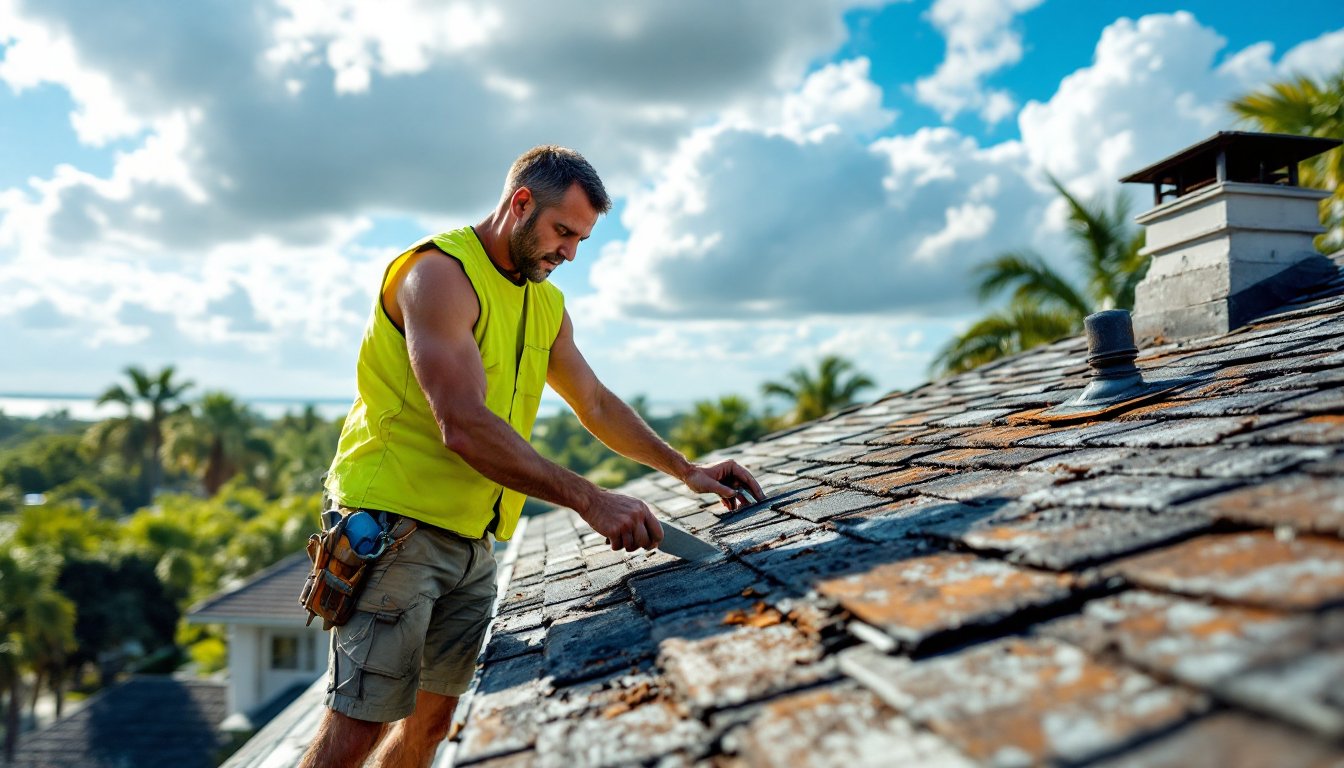
Once you’ve pinpointed the general area, go topside. Look for visible damage: missing or curled shingles, cracked shingles, exposed nails (which should be covered by the shingle above), gaps around flashing, or separation at roof valleys. Shingle damage near chimneys, skylights, or vents is especially common, these penetrations are leak magnets. Check that flashing, the metal that seals these gaps, isn’t bent, rusted, or pulling away from the roof.
Weather has worn older shingles thin: they lose granules and become brittle. Algae or moss growth indicates moisture retention, a sign the roof’s struggling. Document everything with photos, they help if you need a roofer later.
Temporary Fixes For Emergency Situations
If you’re waiting for professional help or weather has you pinned inside, a temporary patch stops damage. This isn’t a long-term solution: it buys time.
Tarping the leak:
Stretch a waterproof tarp over the damaged area, extending at least 6 feet beyond the leak in all directions. Secure it with 2x4s nailed to the roof, or use rope and weights. The goal is to shed water downhill and away from the leak. Overlap tarp seams by 2 feet and seal them with duct tape (yes, duct tape works on tarps). This method stops rain but doesn’t address the underlying damage.
Patching small holes or cracks:
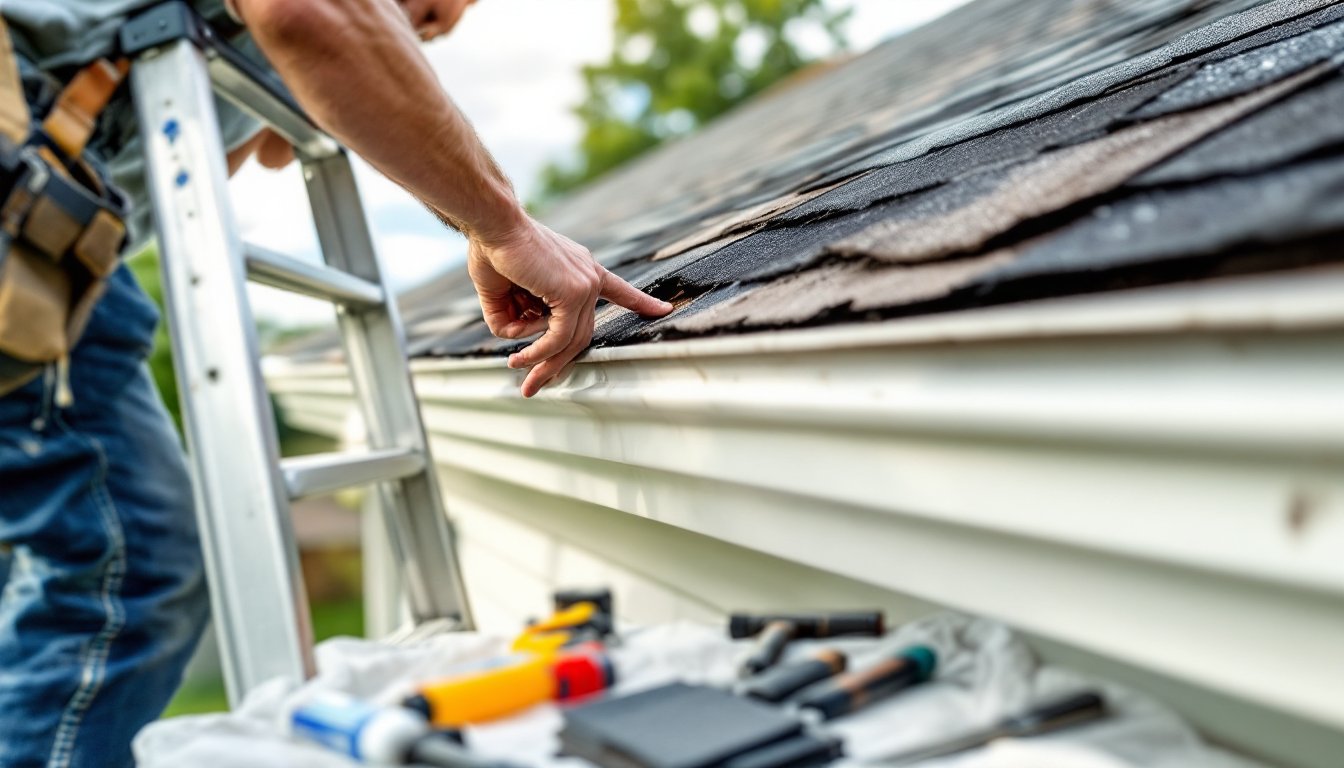
For holes smaller than an inch, clear away loose debris with a brush. Apply roofing cement generously around the hole, use a caulking gun for precision. Press a roofing patch (or a shingle scrap) over the hole, embedding it in the cement. Smooth the patch and seal its edges again with cement. This slows leaks but isn’t weatherproof long-term.
For small cracks in shingles, clean the area, apply waterproof sealant or silicone caulk into the crack, and smooth it level with a putty knife. Let it cure per the product label (usually 24 hours). Sealant hardens in sun and remains flexible, resisting shrinkage better than cement alone.
Sealing around penetrations:
If the leak’s near a vent stack, chimney, or flashing, check that flashing isn’t cracked. A cracked metal flashing or separated sealant is the culprit. Scrape away old, dried sealant with a putty knife. Apply a bead of outdoor-rated silicone caulk along the seam between the flashing and roof. Smooth it with a wet finger. This temporary seal works for weeks, not months, it’s a stopgap.
Permanent Repair Methods
Patching Shingles And Flashing
If one or two shingles are damaged, you can replace them without a full roof job. Start by identifying the damaged shingle’s nails, they’re usually covered by the shingle above it. Use a pry bar to lift the upper shingle and remove the nails. Slide out the damaged shingle and insert the new one in its place. Nail it with galvanized roofing nails (three nails per shingle is standard, though your shingle brand may specify more). Drive nails flush but not over-tight: overtightening splits shingles.
Seal the nail heads and the upper shingle’s bottom edge with roofing cement or caulk. Asphalt shingles are sticky when warm: work in mild weather if possible. On hot days, the adhesive strip activates and the job gets messy.
For flashing leaks, check that the flashing isn’t cracked or bent. Small cracks can be sealed with outdoor silicone caulk, but a severely rusted or bent flashing should be replaced. This is more involved, you may need to remove and re-nail surrounding shingles. If the flashing’s under shingles and inaccessible without removing a significant patch, consider calling a roofer. Most roof leak repairs follow similar principles, and a professional can handle tricky flashing work efficiently.
Sealing Cracks And Gaps
Small cracks in shingles and gaps around valleys or where shingles meet can be sealed. Clean the area with a wire brush to remove debris, dust, and moss. Let it dry completely, wet surfaces won’t seal.
Apply outdoor-rated silicone caulk or roofing sealant into the crack or gap. Use a caulking gun for control. Smooth the bead with a wet putty knife, feathering the edges so water sheds cleanly. Avoid leaving excess sealant: it traps moisture and shortens its life.
Sealant isn’t a cure-all, it buys time and seals minor damage. If shingles are curled, split, or missing granules (you’ll see bare spots), they’re failing and need replacement, not sealing. Sealing a failing shingle only delays the inevitable.
For larger cracks, especially in valleys where water concentrates, consider covering with flashing or a shingle patch. A single patch can extend a roof’s life by several years. Many homeowners consult seasonal repair guides and tool reviews to understand when professional intervention becomes necessary.
When to call a professional: If the leak’s in a valley, under flashing, involves multiple shingles, or is near a chimney or vent, a roofer’s expertise saves time and prevents costly mistakes. Structural leaks, where water’s damaged roof decking, absolutely require professional repair. You can’t see the full damage from below, and improper repair leaves rot to spread.