A leak in the roof doesn’t have to trigger a panic about spending thousands. Whether it’s a few missing shingles, a small hole, or water stains on the ceiling, there are practical ways to handle cheap roof repair without sacrificing quality or safety. This guide walks through assessing damage, identifying which fixes you can DIY and which need a professional, and exploring affordable materials and repair techniques. The goal: stop the water from coming in, stabilize the problem, and make smart choices about when to patch versus replace. Even if a full roof replacement is eventually necessary, the right immediate steps can buy time and save money.
Table of Contents
ToggleKey Takeaways
- Start with a DIY roof inspection using binoculars and the attic to identify damage, as catching issues early can prevent thousands in unexpected repair costs.
- Cheap roof repair solutions like roofing cement ($5–$10) and roof tape ($3–$8) provide quick temporary fixes for small leaks while you plan a permanent solution.
- Replacing individual shingles costs only $1–$3 per shingle and takes 10 minutes each once you understand the basic technique of removing nails and resealing.
- Patch repairs are worthwhile for roofs under 15 years old with isolated damage ($100–$500 in materials), but full replacement ($5,000–$12,000) makes more sense for roofs over 20 years old with widespread failure.
- Regular maintenance like cleaning gutters, trimming overhanging branches, and checking for new leaks twice yearly prevents expensive repairs and extends roof lifespan.
- When hiring contractors for cheap roof repair, get three written quotes, verify licensing and references, and question material choices to avoid hidden costs or unnecessary work.
Assess Your Roof Damage Before Spending Money
Before buying a single nail or bucket of caulk, know exactly what you’re dealing with. A $50 inspection up top beats a $5,000 surprise in the attic.
DIY Roof Inspections and Common Problem Identification
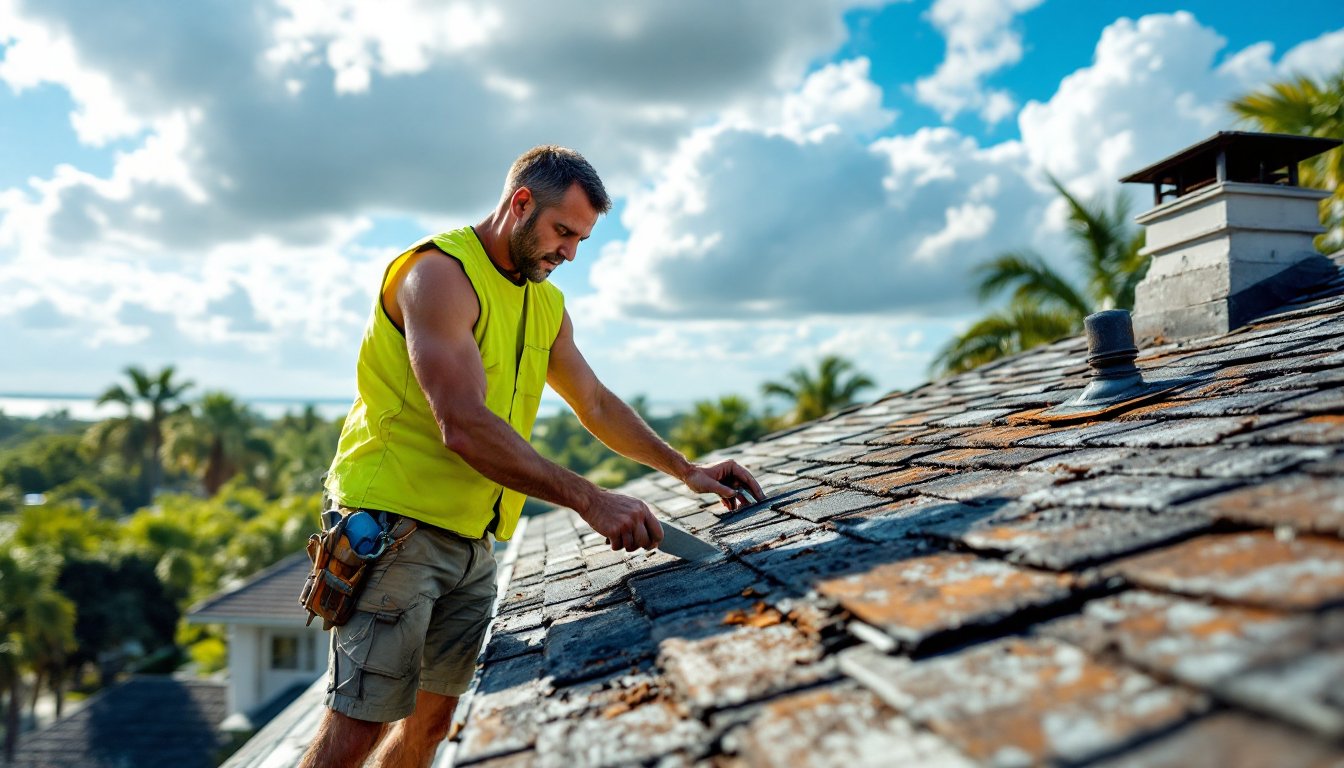
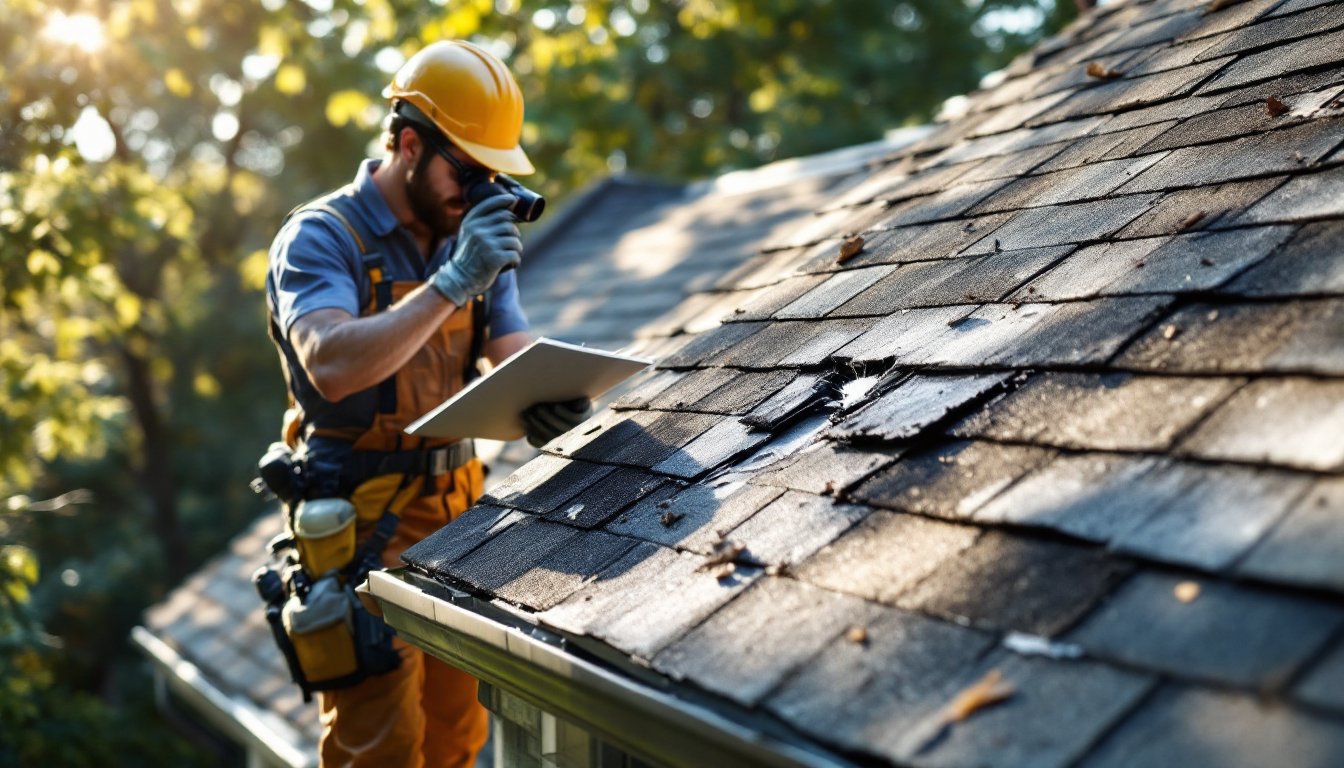
Start from the ground with binoculars. Look for missing shingles, dark streaks, sagging sections, or visible flashing (the metal trim around pipes, vents, and chimneys). These are the usual suspects in cheap roof repair scenarios.
If you’re comfortable on a ladder, and only if you are, get up there on a dry day with a buddy nearby. Wear slip-resistant shoes, work gloves, and avoid the peak or edges. Walk gently: shingles are tougher than they look but not invincible. Look for cracked or curled shingles, gaps where water could pool, and any separation of roofing material from its base.
Check the attic or crawl space for water stains, mold, or rotted wood around the eaves. These signs tell you whether the leak is active and where water is actually entering. A leak might drip from a spot three feet away from where it enters the roof, so tracing it from inside is crucial.
Common issues are also the cheapest to fix: a handful of cracked shingles, a loose nail popping up, or flashing that’s pulled away from the vent stack. Structural rot, widespread shingle failure, or multiple leak points suggest the roof’s life is ending and a full replacement will likely cost less in the long run than repeated patches.
Affordable Temporary Fixes for Immediate Leaks
While you’re planning a proper repair or getting contractor quotes, stop the water now.
Roofing cement is your fastest tool. It comes in tubes (about $5–$10) or small cans and can be applied with a caulking gun or putty knife. Clean the area first, knock off loose debris, let it dry, then apply a thick bead around the leak. This isn’t a permanent fix for structural damage, but it holds water back for months on small holes or gaps around flashing.
Roof tape (also called flashing tape or EPDM tape) is even quicker and sticks directly to the shingle. Peel and press it over cracks or holes. It won’t win an award for appearance, but it works. Cost: $3–$8 per roll.
For a leaking vent stack, lift the shingles around it (they’re often glued or nailed), apply fresh caulk under the flashing, and press it back down. If the flashing is rusted or cracked, replacing just that piece might cost $15–$30 in materials and an hour of labor.
Inside, place a bucket or tarp to catch water and direct it toward a drain. This protects insulation and interior surfaces while you work on the exterior. Don’t ignore this step: water pooling in the attic rots framing fast.
Don’t use tar or asphalt driveway sealer on roofs. It doesn’t breathe, can trap moisture, and often fails in direct sun. Stick with products labeled for roofing.
Cost-Effective Materials and Repair Techniques
Once you’ve stopped the leak, a targeted repair follows. The materials are inexpensive: the time is what you’ll invest.
Replacing a few shingles is the most common cheap roof repair. You’ll need the replacement shingles themselves (often $1–$3 each if you find a match), a roofing nail gun or hammer, a pry bar, and a heat gun if the shingles are glued. Remove the three nails holding the damaged shingle, slip out the old one, slide in the new one, nail it, and seal the nails with roofing cement. It takes 10 minutes per shingle once you’re comfortable.
Use pneumatic or electric roofing nail guns to speed the work and avoid bending nails by hand. Rent one from a home center for $20–$30 a day. Hand-nailing works too: just use galvanized or stainless roofing nails (never drywall nails, they’ll rust). Drive nails straight in a line just below the shingle tab, not crooked or hammered flat.
For flashing repairs, apply a bead of roofing caulk (not silicone, it fails on roofs) or use roof cement if the flashing is already seated. If the flashing is loose or lifting, pry it up gently, clean underneath, apply fresh cement, and nail or screw it back down. Use roofing screws with rubber washers for a watertight seal.
Before you seal anything, vacuum or blow off debris, let the area dry completely, and work in warm weather. Cold glue and caulk don’t set properly.
Affordable Roofing Options: Patches Versus Full Replacement
The decision to patch or replace hinges on the roof’s age, the extent of damage, and how long you plan to stay in the home.
Patch if: the roof is less than 15 years old, damage is isolated (a few shingles, one vent, a small section of flashing), and the rest of the roof is in decent shape. Cost: $100–$500 for materials plus your time, or $300–$800 if you hire someone. This buys time and is genuinely a good investment.
Replace if: the roof is 20+ years old, multiple areas are failing, shingles are curling or missing across the entire roof, or a contractor estimates the repair at more than half the cost of replacement. Full asphalt shingle replacement on a 2,000 sq. ft. roof typically runs $5,000–$12,000 depending on material grade and local labor costs. Cheaper alternatives include architectural shingles or metal roofing, though metal costs more upfront and pays off over decades.
Check recent 2026 roofing costs and material options online to compare your market. The cost and lifespan of common materials vary: basic asphalt shingles last 15–20 years, architectural asphalt 20–25, and metal 40–70. If you’re repairing a 25-year-old roof for the third time, replacement likely makes more financial sense even at the higher initial expense.
Finding Affordable Roof Repair Contractors
If the job is beyond your comfort level, steep pitch, structural concerns, large area, or you simply don’t have time, hire someone. The trick is getting a fair price without sacrificing quality.
Get at least three quotes. A contractor should walk the roof, discuss the scope, and provide an estimate in writing. Watch out for prices that seem too cheap: they often mean cut corners or hidden costs later. A reasonable contractor explains what they’ll do, what materials they’ll use, and how long it’ll take.
Check reviews on trusted platforms. Homeowners trust contractor feedback and project cost guides when hiring and comparing bids. Ask for references, check licensing and insurance, and verify they’ve done similar work.
Question material choices. An honest contractor might say, “I can patch this for $400 now, but based on the age and condition, you’ll likely need a full replacement in 3–5 years. Here’s the cost of that, and here’s what extending the roof’s life another 5 years would look like.” That’s a contractor giving you options, not just a sales pitch.
Negotiate. If you need multiple repairs, ask if bundling them saves money. If you’re willing to wait off-season (late fall or early spring when contractors are less busy), sometimes prices drop. Avoid financing high-interest credit for roof work: save and pay cash or use a 0% promotional offer if available.
Preventative Maintenance to Avoid Future Repair Costs
The cheapest roof repair is the one you never have to make.
Annual inspections take an hour and cost nothing. After winter storms, in spring, and in fall, walk the perimeter and look for new damage. Catch a cracked shingle before it splits the whole row.
Clean gutters and downspouts every spring and fall. Debris traps water, which seeps under shingles and rots the fascia and framing. This is tedious, but it costs zero dollars and prevents thousands in water damage. Use a leaf blower, gutter scoop, or small shovel. If you hate heights, hire someone: gutter cleaning runs $100–$250 and is worth every penny.
Trim branches that hang over the roof. Falling limbs break shingles, and damp shade under branches fosters moss and algae, which accelerate shingle decay. You don’t need a perfect view, just enough clearance for debris to fall clear and sunlight to reach the surface.
Verify proper attic ventilation. Moisture trapped in the attic shortens roof life and causes rot. Soffit and ridge vents should be clear and balanced. Poor ventilation is cheap to fix (clear a vent for free, install a new vent for $50–$100) and prevents expensive damage.
Watch for signs of new leaks: water stains on ceilings, dark streaks on the roof, or shingles that look different (lighter, curled, or cracked). Address small problems immediately before they cascade.